




4 Axis CNC Machining Services

RuiYi Industrial Manufacturer specializes in 4 axis CNC machining services for precision components that require machining on multiple sides with high accuracy and repeatability. We produce aerospace brackets, medical device housings, robotic joints, drone components, manifolds, and industrial equipment parts using advanced multi-axis machining technology. With fast lead times, flexible order quantities, and strict quality control, RuiYi supports customers from prototype development through volume manufacturing.

On Demand Manufacturing

4 Axis CNC Machining Services

What Parts Can Be Made With 4 Axis CNC Machining?

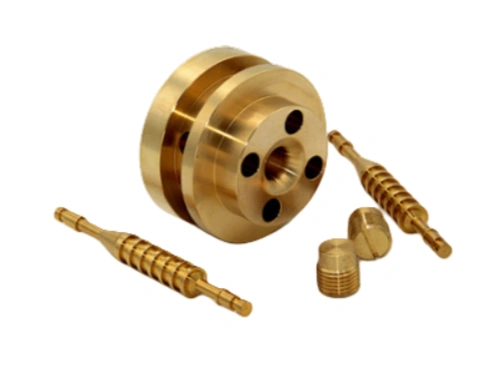
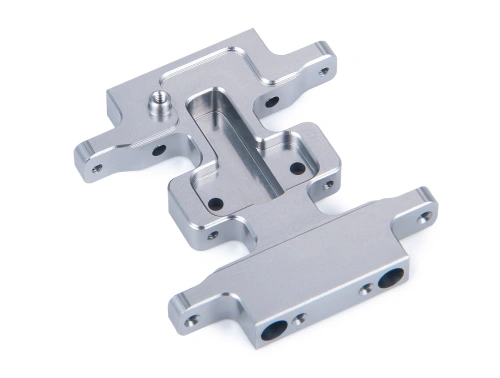
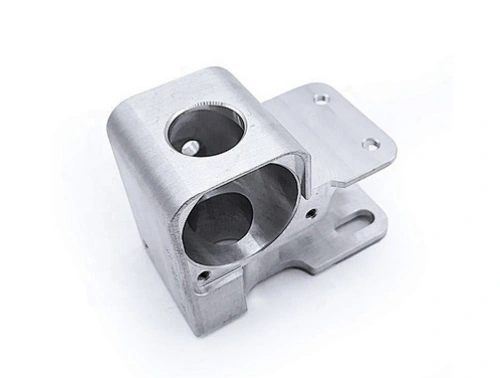
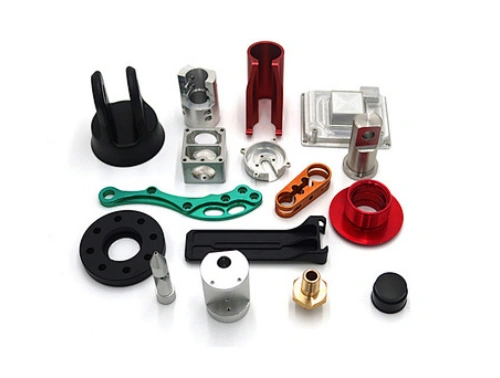
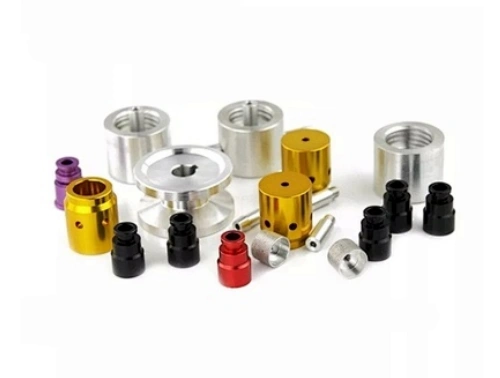
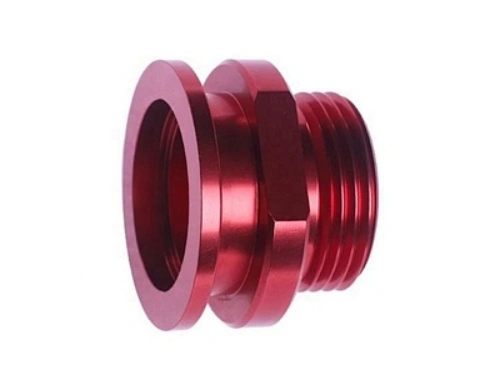
4 axis CNC machining is commonly used to manufacture components that require machining on multiple sides while maintaining high dimensional accuracy. Typical parts include valve bodies, pump housings, mounting brackets, gear components, manifolds, robotic joints, heat sinks, aerospace structural parts, UAV frame components, medical device housings, and industrial automation fixtures.
By allowing the workpiece to rotate during machining, 4 axis CNC technology reduces setups and improves consistency for parts with holes, slots, contours, and features located on several faces of the component.

Industries Served 

RuiYi supplies precision 4-axis CNC machined parts for: 

  • Aerospace  
  • UAV & Drone Manufacturing  
  • Medical Devices  
  • Robotics & Automation  
  • Defense Equipment  
  • Automotive Systems  
  • Electronics Manufacturing  
  • Industrial Machinery  
  • Energy Equipment  
  • Consumer Products
50 million+
Annual Turnover
1500+
Customers Served Annually
30+
Manufacturing Facilities
MOQ 1
No Minimum Order Required

About 4 Axis Machining

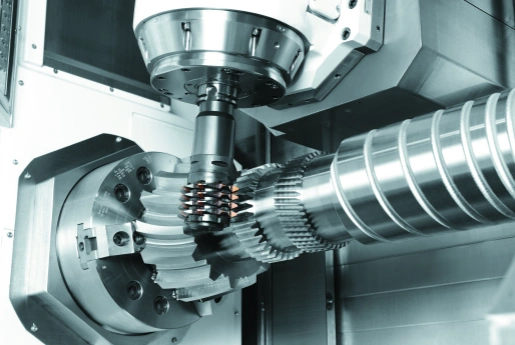
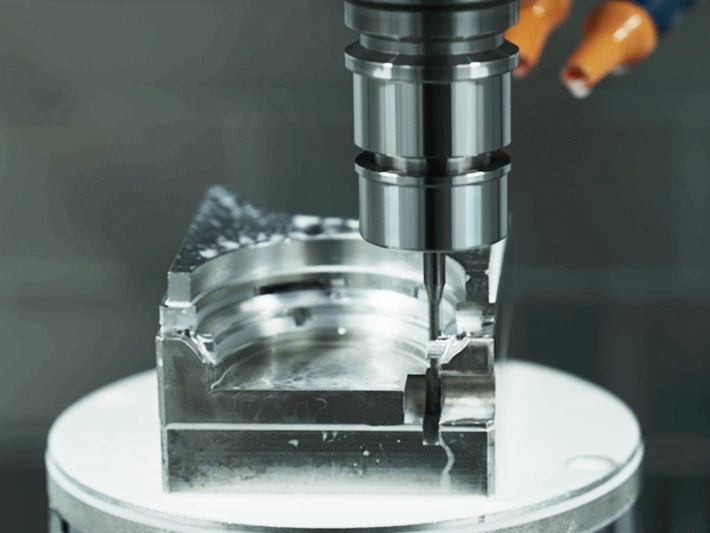
4 axis CNC machining provides greater flexibility and efficiency than traditional 3 axis machining by adding a rotational axis. This allows multiple sides of a part to be machined in fewer setups, improving accuracy, reducing production time, and enabling more complex geometries. It is an ideal solution for manufacturers that require precision, consistency, and cost effective production.

3 axis VS 4 axis Machining?

3 axis VS 4 axis Machining

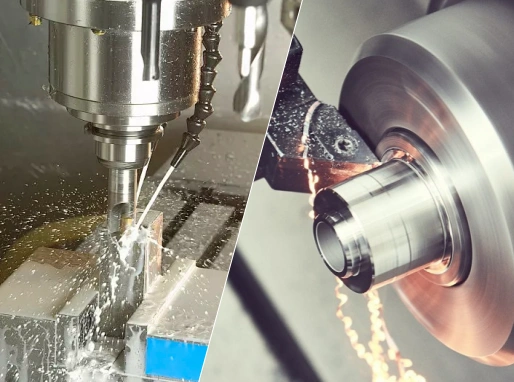
3 axis machining moves the cutting tool along the X, Y, and Z axes, making it suitable for simple components and flat surface machining. 4 axis CNC machining adds a rotating axis, allowing parts to be machined from multiple sides without repeated repositioning. This improves precision, reduces setup time, increases productivity, and makes it easier to create more complex features.

4 axis VS 5 axis Machining?

4 axis VS 5 axis Machining 1

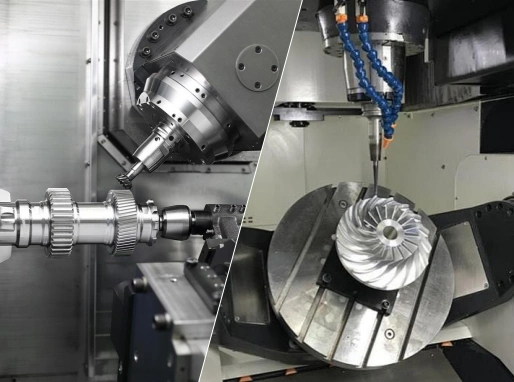
4 axis CNC milling uses one rotational axis to machine multiple surfaces efficiently and accurately. 5 axis machining introduces two rotational axes, making it suitable for highly complex parts with deep cavities, undercuts, and intricate geometries. For many industrial applications, four axis machining offers an excellent balance between machining capability, production speed, and cost effectiveness.

Why Choose RuiYi for 4-Axis CNC Machining?

RuiYi Industrial Manufacturer provides professional 4-axis CNC machining services designed for customers who need accurate, efficient, and cost effective manufacturing solutions. Our advanced equipment and experienced engineering team enable us to produce complex components with tight tolerances while maintaining consistent quality throughout production. 
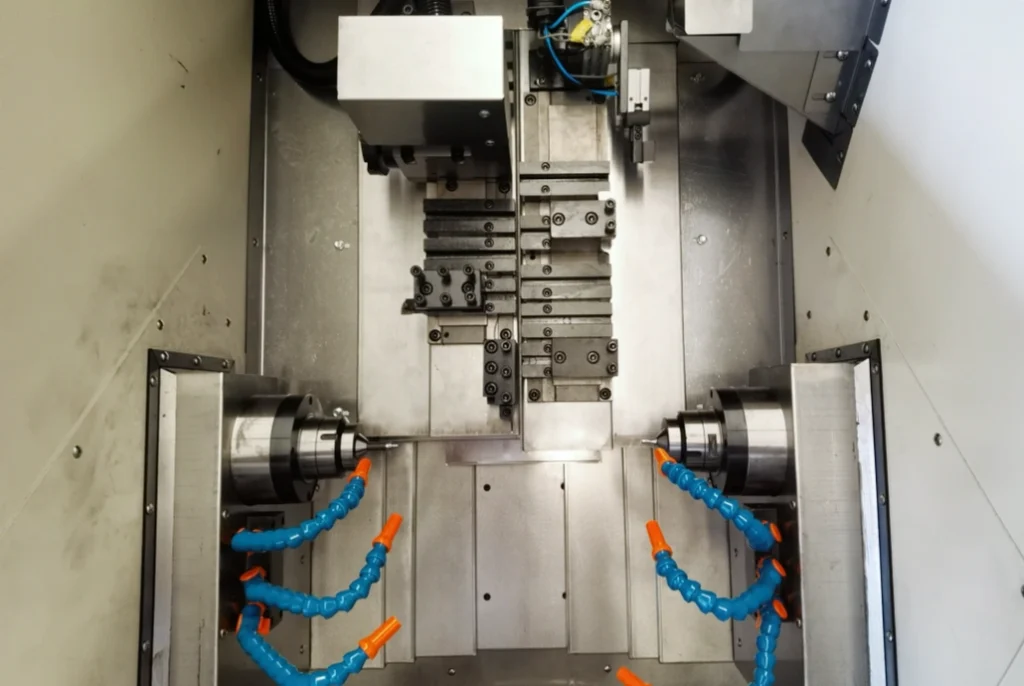
Our skilled technicians operate modern 4 axis CNC milling machine technology to manufacture detailed parts with fewer setups and improved precision. By machining multiple surfaces in a single operation, we help customers reduce production time, improve consistency, and achieve reliable results for both prototype and production projects. 

4 Axis Machining With RuiYi

Key Advantages of 4-Axis CNC Machining

Our 4-axis CNC machining services are designed to produce high precision components with excellent consistency and efficiency. By adding a rotational axis to traditional machining, 4 axis CNC machining allows more surfaces to be machined in fewer setups, improving accuracy and reducing production time. All parts are manufactured according to strict quality standards, including ISO 2768 m for metals and ISO 2768 c for plastics.
Feature/FunctionDescription
Introduction of the Fourth AxisAdds rotational movement along the X-axis (called the A-axis), expanding machining possibilities.
Rotary Table CapabilityAllows the part to be mounted on one end and rotated to access multiple sides, reducing the need for manual repositioning.
Access to Suspended AreasEnables machining of features that don’t touch the table, such as through-holes or internal cavities.
Enhanced Contour and Curve MachiningRotation during machining allows complex curves and profiles to be created more easily.
Basic Turning CapabilityCan perform turning-like operations to create cylindrical or spherical shapes, though not as fast as a dedicated lathe.

From CAD File to Finished Part in 3 Steps

Get Instant Quote

Upload your drawings to our quotation platform and we respond to most requests for quotations within 1 day.

Start Production

Once you place an order, we will start the production process, ensure the quality of the products, and keep you informed of production progress

Receive Your Parts

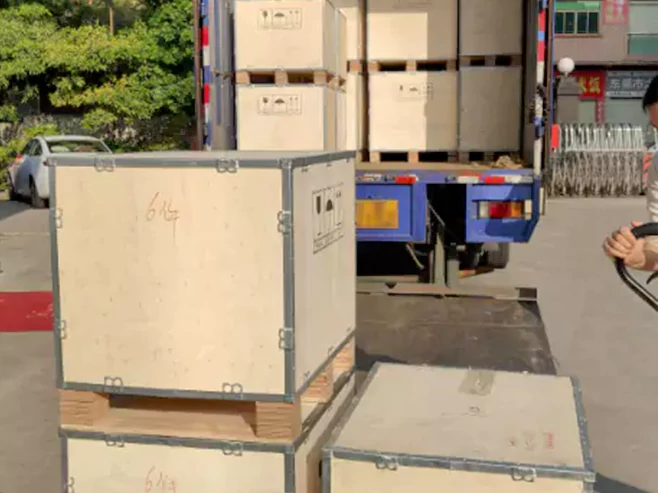
Fast air delivery and after-sales service follow up ensures order fulfillment.

Get Instant Quote
home page 19 2 副本
CNC machining Services
home page 20 副本
Receive Your Parts

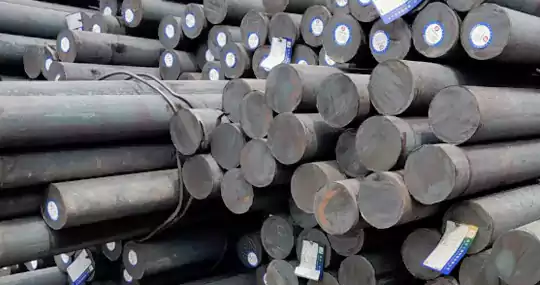
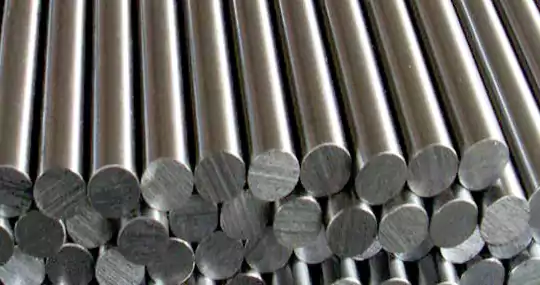
Metal Materials for 4-Axis CNC Machining

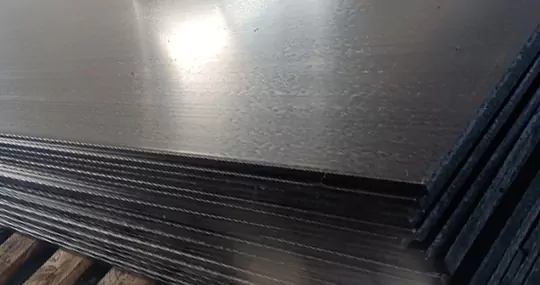
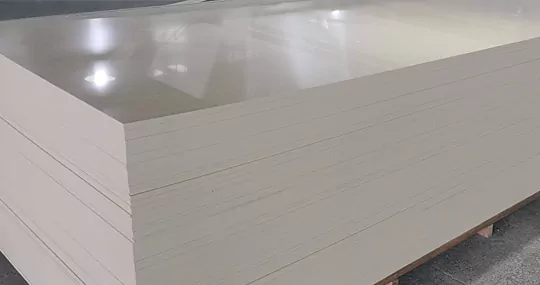
CNC machines work with various materials, from prototyping to production. Get instant quotes for 40+ metals and plastics to compare costs easily.

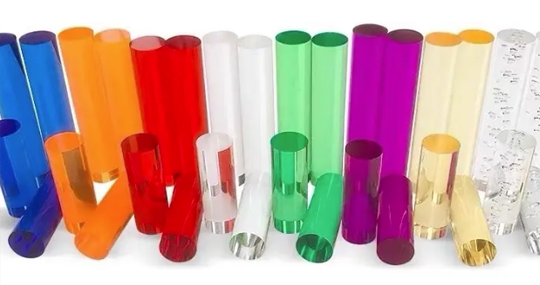
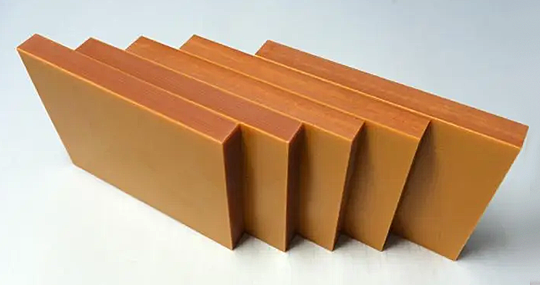
Plastic Materials for 4-Axis CNC Machining

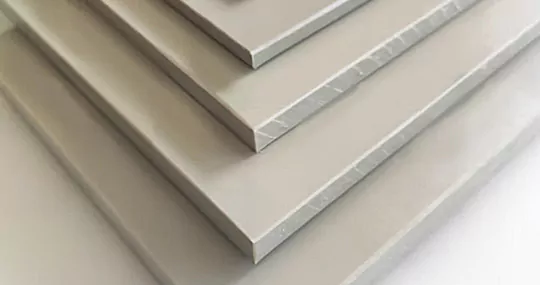
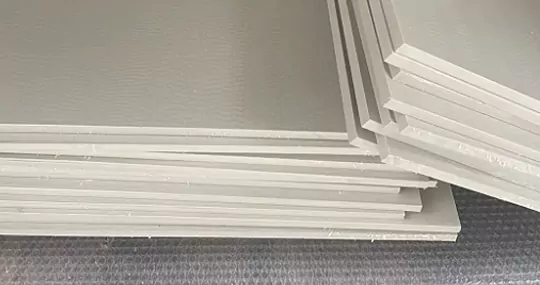
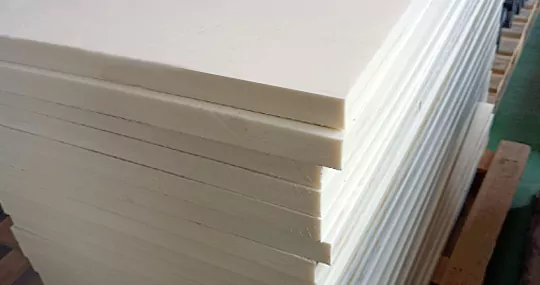
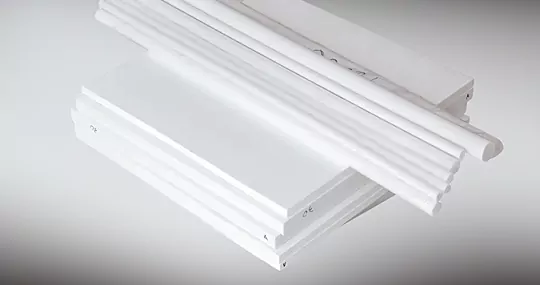
Plastics are ideal for CNC machining due to their variety, cost-effectiveness, and fast processing. Get instant quotes for 100+ types for easy comparison.

Considerations While Choosing of 4 Axis CNC Machining

When selecting 4 axis CNC machining for a project, it is important to evaluate part geometry, production requirements, material selection, and precision needs. Understanding these factors helps ensure the most efficient and cost effective manufacturing solution.

Cost: 4-axis milling offers a balance between cost and capability, cheaper than 5-axis but pricier than 3-axis.

Material Properties: Material type affects tooling, machining parameters, and overall suitability for 4-axis milling.

Part Complexity: Ideal for parts with features on multiple sides, reducing setups and improving efficiency.

Required Tolerances: 4-axis can achieve high accuracy, but ultra-tight tolerances may need 5-axis capabilities.
Aerospace: 4-axis CNC ensures precise, complex aircraft parts meet strict aerospace standards.

Automotive: Boosts production speed and accuracy for engine and suspension components.

Medical: Delivers high-precision tools and implants, essential for safety and quality.

Jewelry: Enables intricate designs unachievable by traditional crafting methods.

Applications of 4 Axis CNC Machining

4 axis CNC machining is widely used across industries including aerospace, automotive, medical equipment, electronics, industrial machinery, robotics, consumer products, and precision engineering applications.

4 Axis CNC Machining Examples

Frequently Asked Questions

4 axis CNC machining is an advanced machining process that adds a rotational axis to traditional 3 axis machining. This additional axis allows the workpiece to rotate during machining, making it possible to access multiple sides of a part in fewer setups. The result is improved efficiency, accuracy, and production speed. 

Compared to standard machining, 4-axis CNC machining services can machine multiple surfaces without repeatedly repositioning the workpiece. This reduces setup time, improves dimensional accuracy, and allows more complex features to be produced efficiently. It is an ideal solution for parts that require machining on several sides. 

4 axis CNC machine is commonly used to manufacture components with angled features, curved surfaces, holes on multiple faces, and complex geometries. Industries such as aerospace, automotive, medical, electronics, and industrial equipment frequently use this machining process for precision components. 

Indexed 4th axis machining rotates the workpiece to a specific position before machining begins, while continuous 4-axis machining allows the part to rotate continuously during the cutting process. Continuous machining is often used for more complex contours and curved surfaces that require smooth, uninterrupted tool movement. 

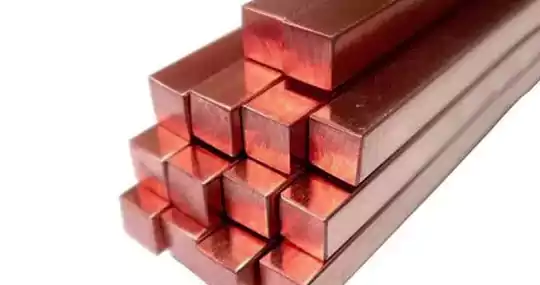
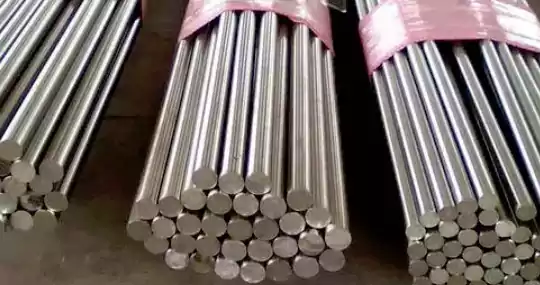
4 axis CNC milling supports a wide range of materials, including aluminum, stainless steel, brass, copper, titanium, carbon steel, tool steel, ABS, PEEK, POM, nylon, acrylic, and many other engineering plastics. Material selection depends on the strength, durability, and performance requirements of the project. 

Our 4 axis machining services can achieve tolerances as tight as ±0.01 mm depending on the material, geometry, and manufacturing requirements. Advanced equipment, experienced machinists, and strict quality control procedures help ensure consistent and reliable results. 

Yes. 4-axis CNC parts can be produced in both prototype and production quantities. The process is highly effective for product development because it allows complex components to be manufactured accurately without the cost of specialized tooling. 

Yes. Angled feature machining is one of the major advantages of a 4 axis system. The rotational axis allows cutting tools to reach different surfaces more easily, enabling accurate machining of angled holes, slots, contours, and other complex features. 

RuiYi Industrial Manufacturer combines advanced 4 axis CNC milling machine technology with experienced engineers, strict quality control, and fast production capabilities. We provide factory direct manufacturing, flexible order quantities, global shipping, and dependable support to help customers receive high quality machined parts quickly and efficiently. 

Scroll to Top