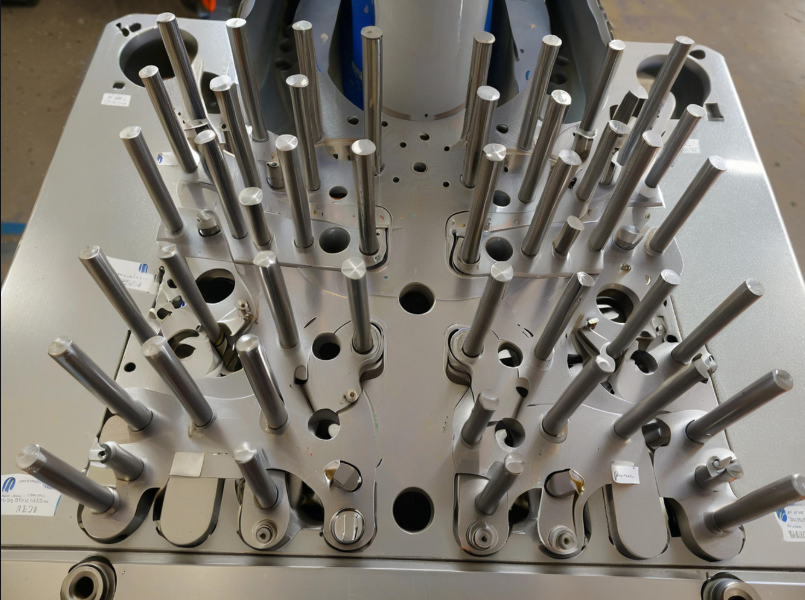
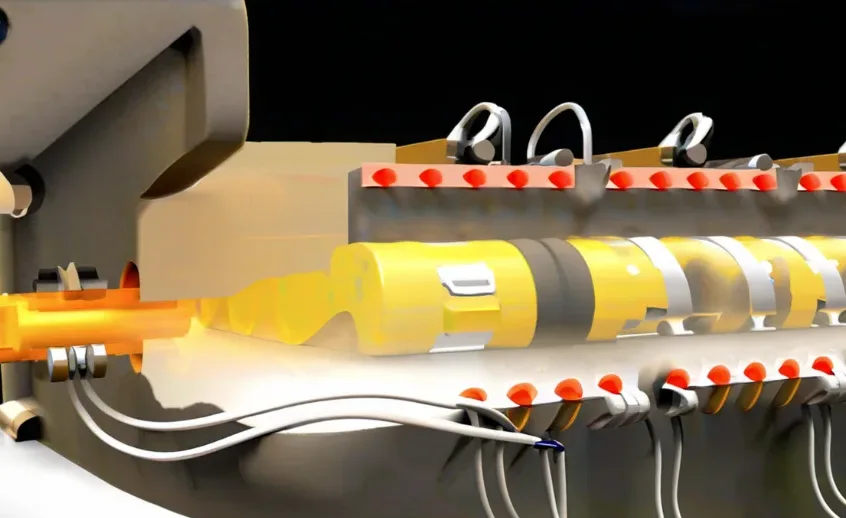
Small batch processing including CNC processing and Vacuum casting two ways, CNC processing can make plastic, can also make metal. Vacuum casting is a kind of pro prototype processing method, suitable for making small batch soft adhesive, ABS, nylon and other materials of the hand plate, Vacuum casting production cycle is short, low cost, but its production accuracy is only ± 0.2mm or so, if the model precision requirements are very strict, try not to choose this way to do.
CNC processing: is more commonly used prototype processing, processing accuracy than other processing methods to high, the processing of a wide range of materials, plastic and metal materials can be processed, there are high requirements for the precision of the proposed use of CNC processing.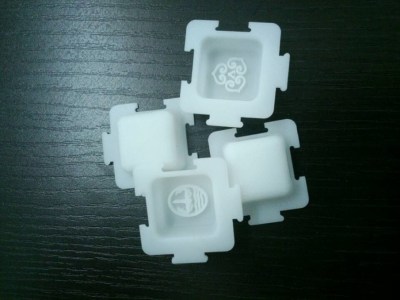
The main advantage of small batch prototypes is low cost and short production cycle. For example, CNC processing needs a few hundred dollars to do the prototype, using Vacuum casting to do, only a few dollars can be done, dozens of prototype 3 or 4 days can be done. Effectively reduced the enterprise new product design and development time and cost.
Processing technology of small batch prototype:
1: the original version should be made before the production of vacuum casting. The original version is usually done by CNC machining or 3D printing. After the original version is finished, the manual department can be polished. The materials of silicone mold are: ABS, PP, PC, POM, PA, soft adhesive and so on.
2: Vacuum casting: mainly used for small batch prototype, short cycle, low cost, but the performance and precision of prototypes is not as good as CNC processing, under normal circumstances, the service life of silica gel mold is about 10-20 times.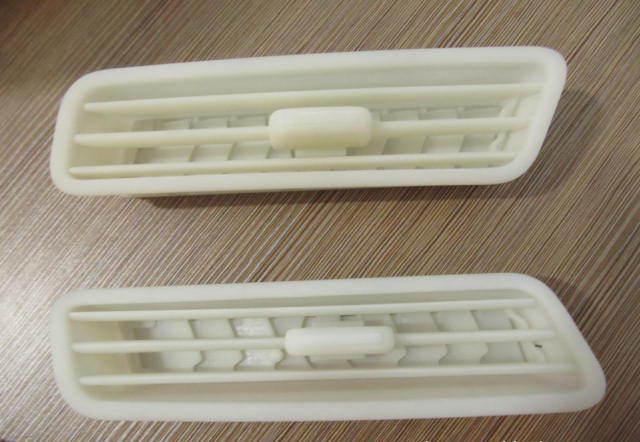
The probability of making mistakes is small, as long as there is no problem with the prototype, there will be no problem with the product.
But the disadvantage of small batch prototype is to make the finished product, will be affected by hot expansion and cold shrinkage, resulting in the size will shrink, these factors should be considered, otherwise the prototype is not qualified. Small batch prototype model processing compared to CNC processing, in terms of accuracy cannot be compared, so the use of the above two processing methods have their advantages.