
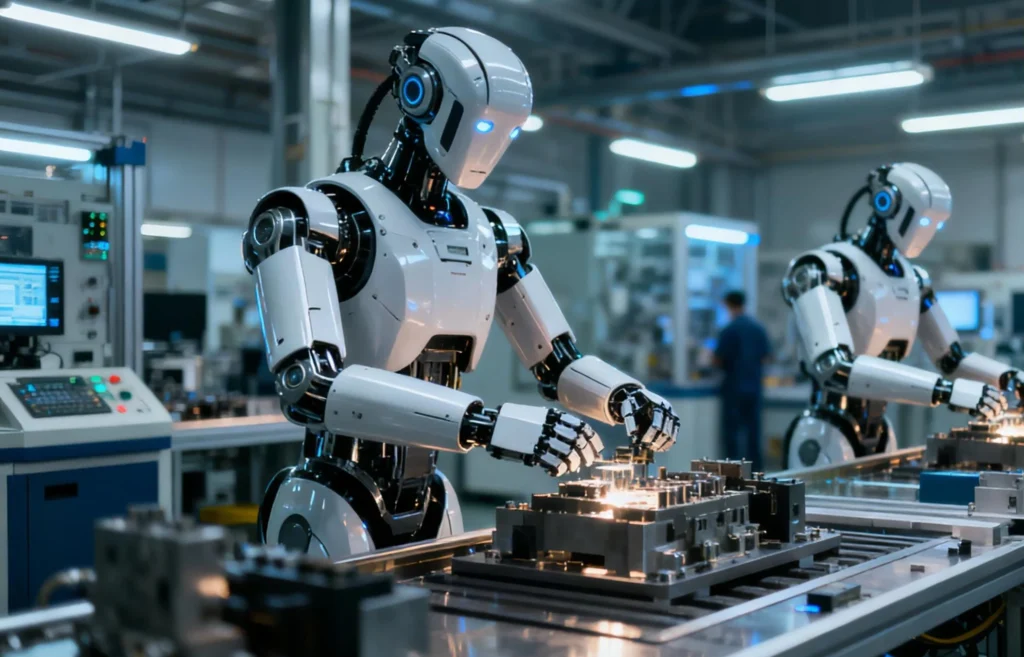
Revolutionizing Industrial Machinery with AI
Traditional machinery manufacturing relies on manual expertise and fixed processes, which hinder its ability to adapt to dynamic markets and complex environments.
Traditional machinery manufacturing relies on manual expertise and fixed processes, which hinder its ability to adapt to dynamic markets and complex environments.
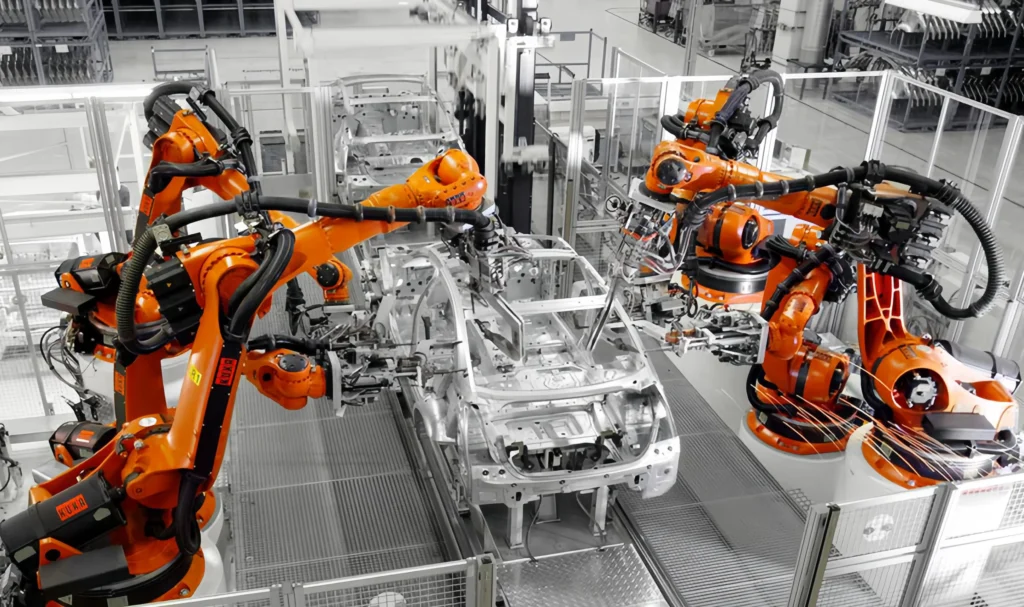
Automotive machining has evolved from manual to intelligent, automated processes. Early machining relied on manual labor and rudimentary machine tools, resulting in low efficiency and limited precision.
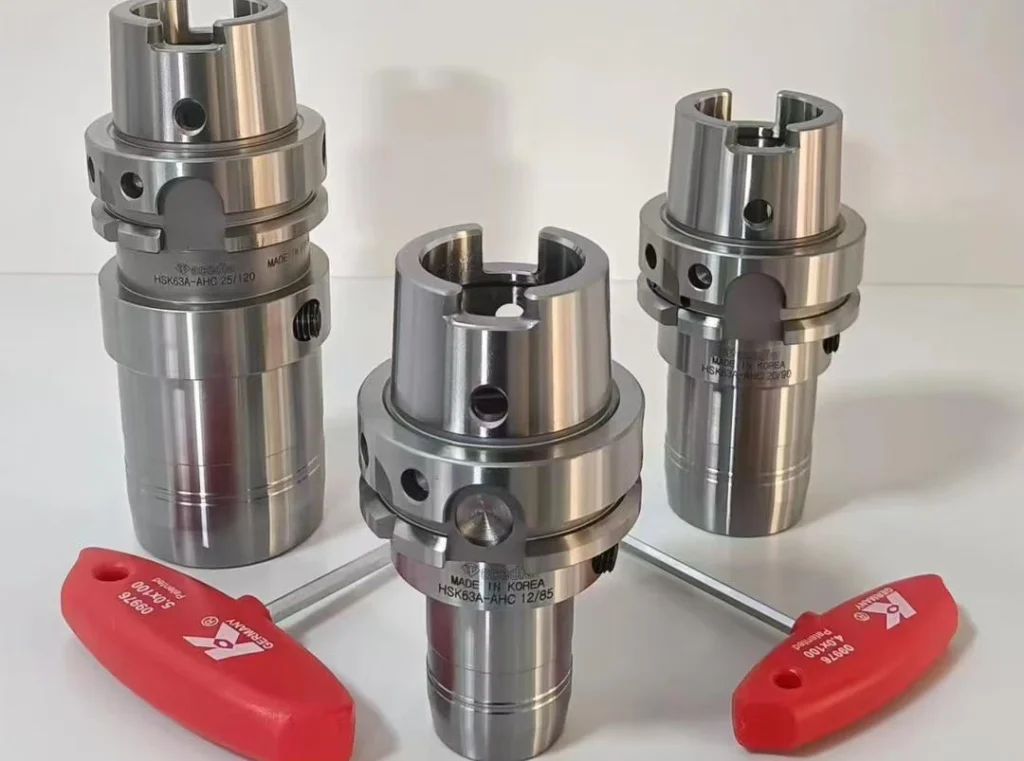
Manufacturers widely apply CNC milling in forming high-precision parts, where surface quality directly impacts part fatigue life, assembly accuracy, and

Thin-walled components are common but hard to machine due to deformation, heat expansion, and strict tolerance demands, making quality control
The 20th CPC Central Committee calls for top scientists, engineers, and skilled professionals to build a first-class workforce. High-skilled talent includes those with advanced skills, creativity, and senior or technician-level qualifications.
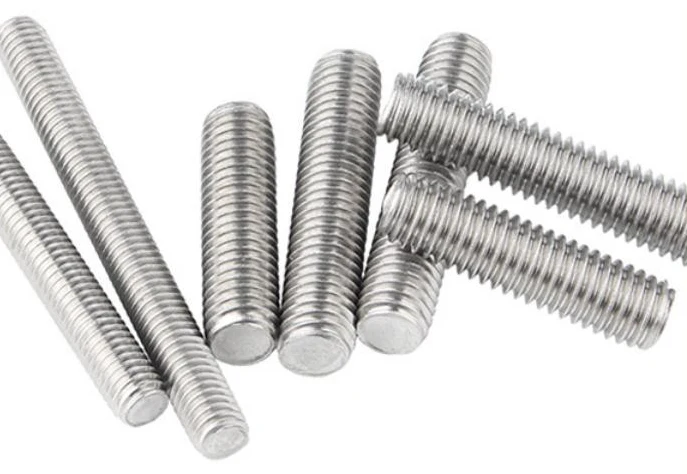
Have you ever wondered how the countless tables in mechanical design manuals and parameter charts in product catalogs came to be? Behind them lies a simple yet powerful idea: the priority number system.
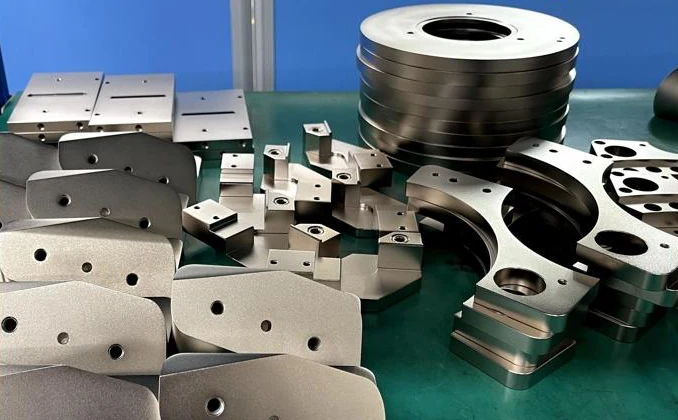
From tiny screws to automotive engine components, manufacturers coat even the inner surface of your phone’s casing with an ‘invisible
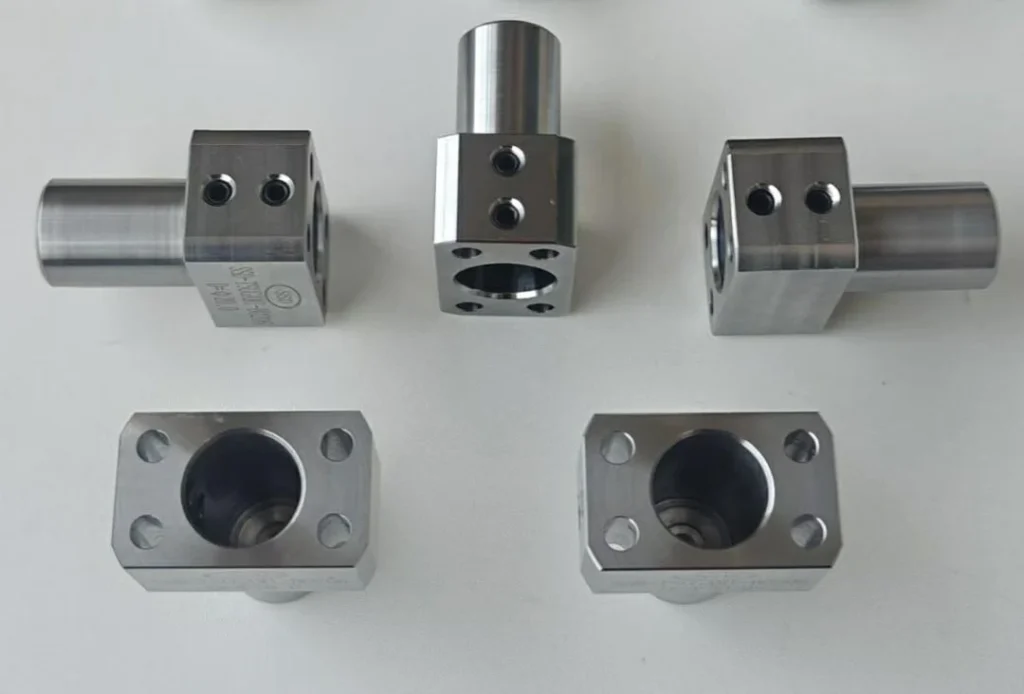
Hole machining holds a significant position in metal cutting processes, with deep hole machining being a technically challenging operation in
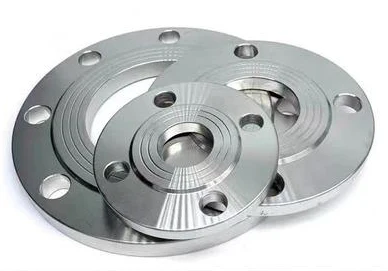
Figure 1 shows the flange bearing, where flange accuracy and tolerance are key to clearance, self-alignment, and overall performance. Flange
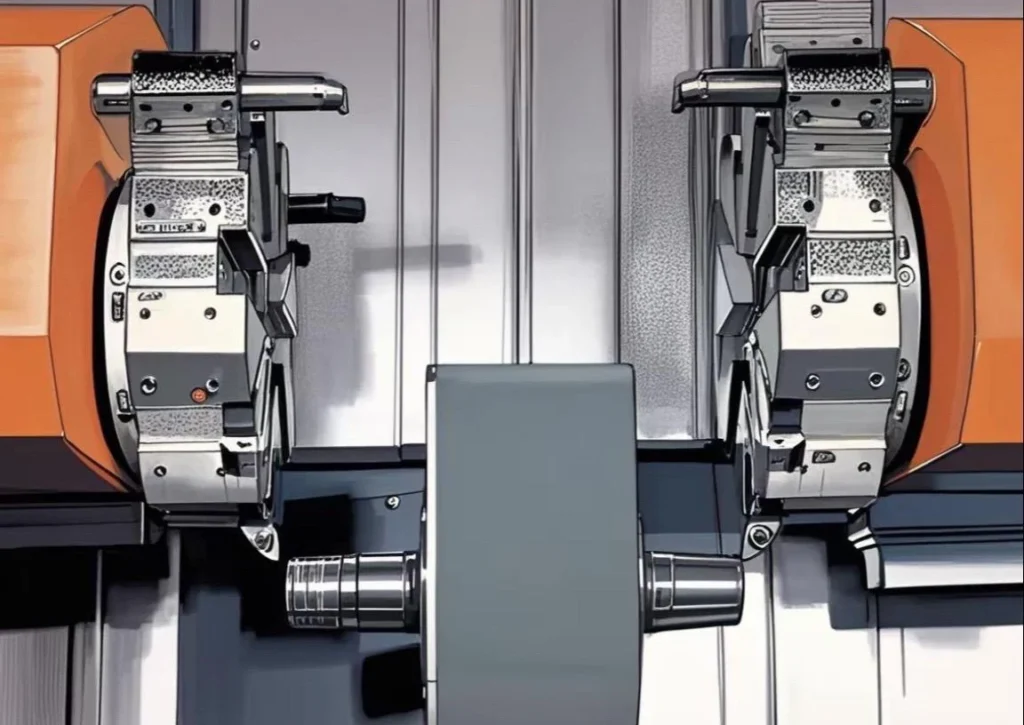
Machining the input shaft in new energy gearboxes is difficult due to strict accuracy, tight tolerances, and a thin-walled structure.