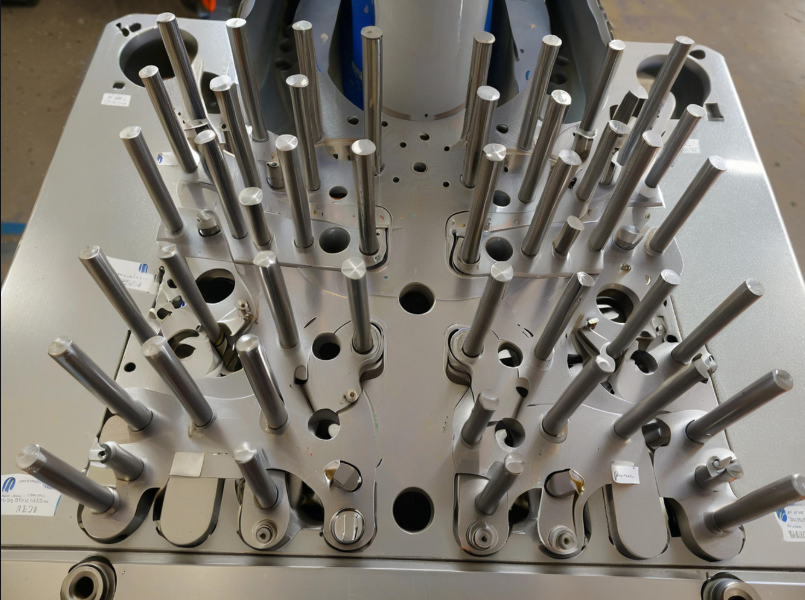
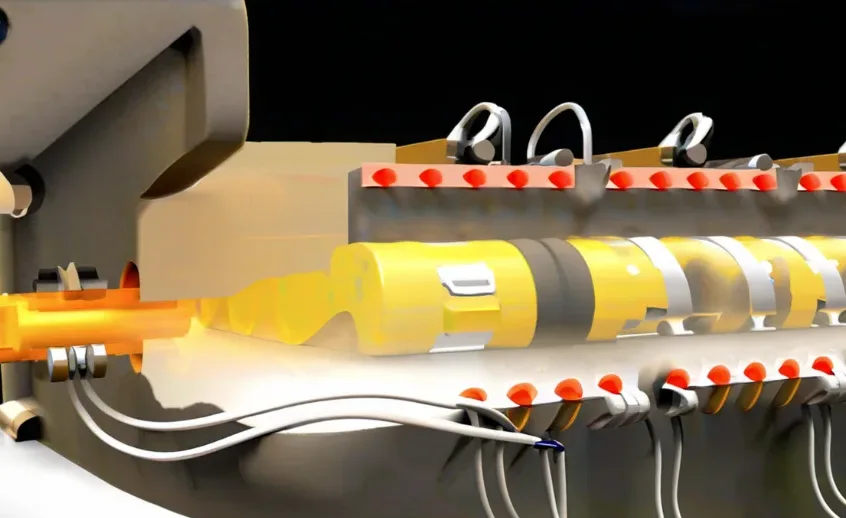
If it needs any spray painting treating process after finish the prototypes, please note that the SLA rapid prototyping work-piece doesn’t suit the high glossy surface treatment, because it has used the photosensitive resin, which is not good for adhering oil paint to achieve the desired glossiness effect. The CNC Prototype Machining work-pieces, including made from PP and POM, doesn’t suit to deal with the surface for spray painting, because the materials have no adhesiveness with spray painting. Before painting, it needs to polish with abrasive paper. The abrasive paper is divided into several types, such as raw abrasive paper and fine abrasive paper. It can polish the touching water edge of the work-piece edge, and polish it with the finest abrasive paper for the last time, then it’s time to spray grit and bottom ash. If its surface has been treated with high glossy, it needs to be polished finer, and then spray a layer of priming paint to polish it again.
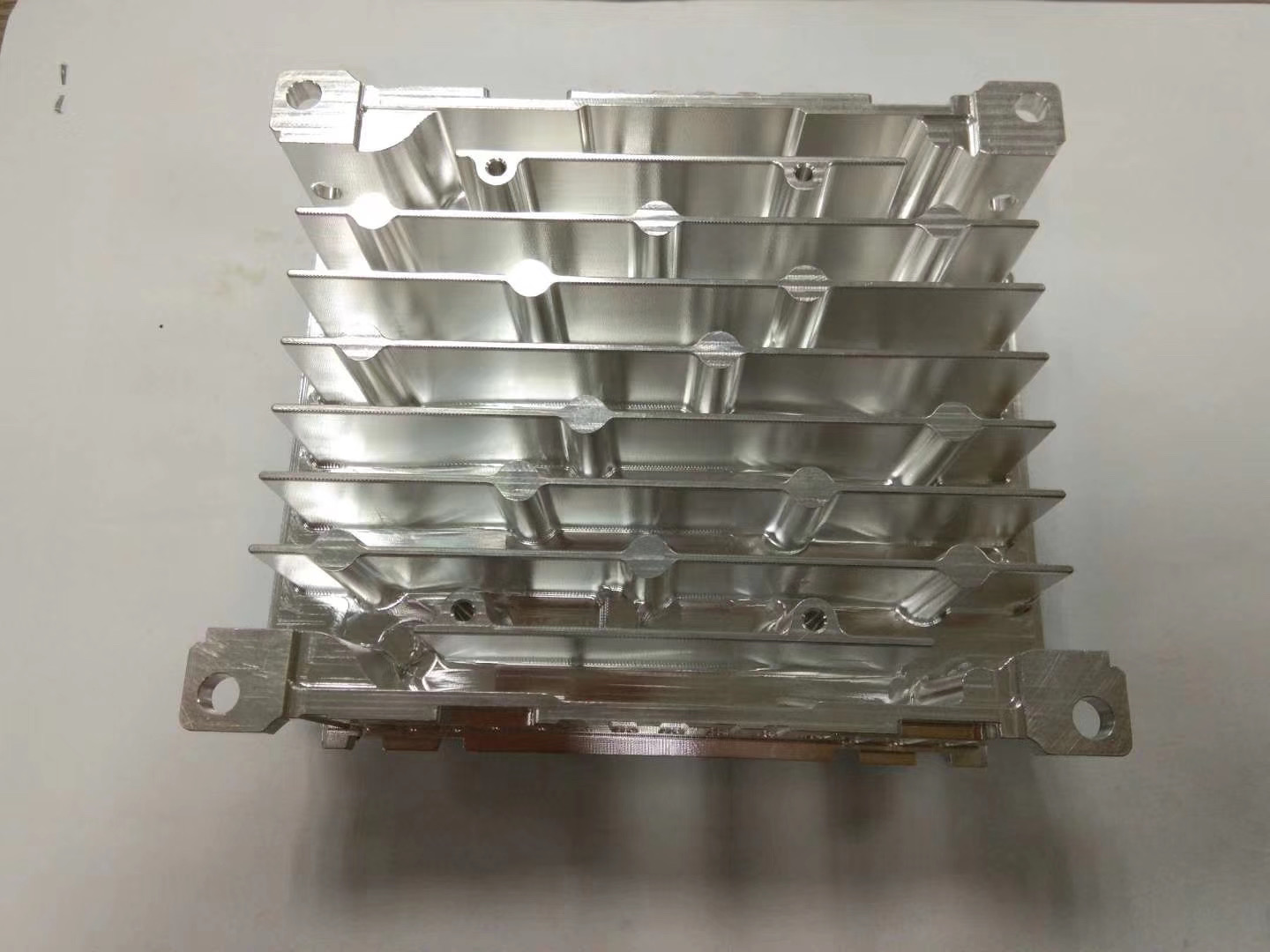
The physical means, adopted in accordance with the specific conditions of production site and different surface appearances of work-piece with prototype treating, mainly aims at eliminating the control factors that influence the processing quality and cycle in the chemical treatment, as well as aims at maintaining the working life of chemical agents. For instance: Artificially scrub and remove (mainly adopt wire brush and abrasive cloth) the excessive oil stain, dust, iron filings, piece of rust, floating rust, as well as too thick oxide skin, and products that cannot be acid washed, on the surface of new handled product.
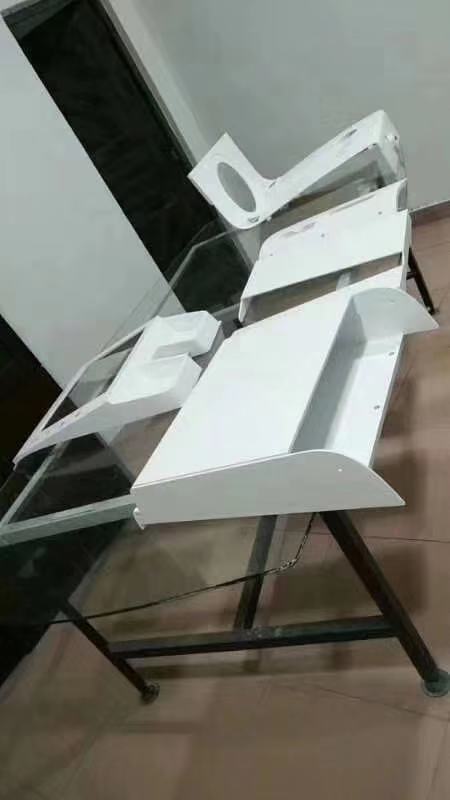
Then remove the rust dust with compressed air. It also helps reduce lots of loss of degreasing and rust removing solution, avoid the loss of over-treating work-piece, shorten the chemical treatment cycle, and improve the working life of treating fluid. The pre-treating degreasing should apply the fully diluted degreaser to scrub, and should be strictly prohibited to apply organic solvent (such as gasoline and lacquer thinner), so as to avoid polluting the degreasing bath solution and forming organic solvent solid protective films on its timeliness surface, which will lead to influence the degreasing quality.