How to oxidize the aluminum alloy prototype model

We are a precision prototype manufacturer based in Shenzhen, China. We specialize in producing high-quality prototype models. We build reliable and affordable hardware prototypes, including aluminum alloy models.

Let’s explore how we manufacture aluminum alloy prototypes and what precautions we take.

1. From Drawing to Prototype

Most manufacturers use CNC machining to produce aluminum alloy prototypes. They follow the customer’s drawings to carry out CNC processing, then perform a series of surface treatments and coarse anodizing to complete the final aluminum alloy prototype.

1.1 Oxidation in Prototyping

The aluminum alloy prototype model is one of the most common types of metal prototypes. Manufacturers usually apply oxidation as a surface treatment. But what kind of oxidation do they use? Why do they apply it? And what precautions should they take during the oxidation process?
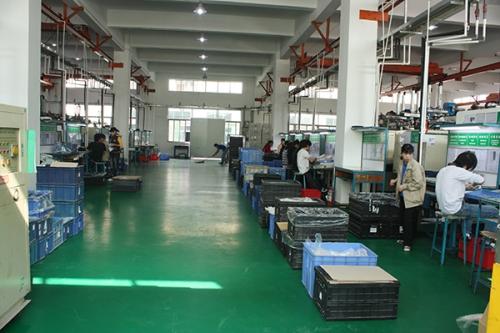
Chinese aluminum alloy prototype

2 Protective Film Formation

In the oxidation treatment of an aluminum alloy hand plate, technicians harden the aluminum surface by forming a protective film, which helps prevent scratches on the finished product.

The oxidation of aluminum alloy hand plates serves two main purposes: first, it protects the surface of the hand plate from corrosion.

2.1 Aesthetics and Durability

The second purpose is to enhance the aesthetics of the hand plate. After oxidation, we apply additional surface treatments such as oil injection, wire drawing, and sandblasting. These processes beautify the surface, elevate the product’s quality, and extend its service life.

2.2 Sandblasting Before Oxidation

Oxidizing aluminum alloy hand plates is a common surface treatment method. Before oxidation, we usually perform sandblasting to avoid affecting the appearance of the aluminum alloy hand plate.

If we polish the surface of aluminum alloy hand plates, we remove the oxide layer. To create a natural aluminum alloy hand plate, we simply sand it and then sandblast it.
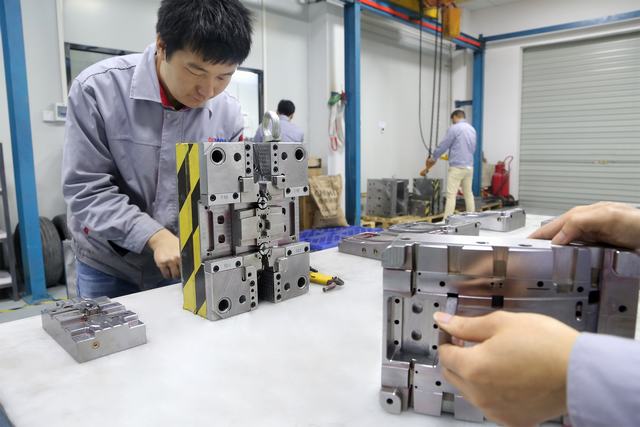
Chinese aluminum alloy prototype

Processing aluminum alloy hand plates requires many precautions. The following section explains the key issues to address before sandblasting

Before sandblasting the aluminum alloy, the sand type and particle size must be selected.

The blasting should be uniform: the blasting pressure should be consistent, the nozzle should move smoothly, and the spraying angle should be the same.

Do not aim the spray gun directly at the part or bring it too close; maintain a consistent distance between the nozzle and the workpiece

After sandblasting, we perform alkali etching, chemical polishing, and anodizing, followed by sealing and drying.

3 Conclusion

To oxidize an aluminum alloy prototype, manufacturers start with surface preparation, like sanding and sandblasting, then apply chemical treatments such as alkali etching, polishing, and anodizing to form a protective oxide layer. Finally, sealing and drying improve corrosion resistance and durability.
FAQ:

CNC machining is a precise manufacturing process that uses computer-controlled machines to shape and cut materials, like aluminum alloy, into specific prototypes. It’s widely used for creating highly accurate and reliable hardware prototypes.

Oxidation is applied to aluminum alloy prototypes to create a protective oxide layer on the surface. This layer enhances corrosion resistance, improves durability, and provides a foundation for additional surface treatments.

The most common oxidation treatment used for aluminum alloy prototypes is anodizing. This process increases the thickness of the natural oxide layer, offering improved protection against wear and corrosion.

Sandblasting helps prepare the surface of aluminum alloy hand plates by cleaning it and ensuring that the oxide layer forms evenly. It also improves the appearance by creating a smooth, consistent texture.

Key precautions during sandblasting include selecting the right sand type and particle size, maintaining consistent blasting pressure, and keeping a steady distance between the nozzle and the workpiece. Uneven blasting can affect the quality and appearance of the prototype.

After anodizing, aluminum alloy prototypes undergo surface treatments such as oil injection, wire drawing, and sandblasting. These processes elevate the visual appeal of the product, adding a sleek, high-quality finish while also improving its durability.

Alkali etching is used to clean and prepare the aluminum surface before anodizing. This chemical treatment helps to remove any contaminants or oxides, ensuring a clean and smooth surface for the anodizing process.

Anodizing forms a protective oxide layer on the surface of the aluminum alloy. This layer acts as a barrier, preventing moisture and other corrosive elements from reaching the metal, thus improving its long-term durability.

The protective film formed during oxidation hardens the surface of the aluminum alloy prototype, preventing scratches and enhancing its overall durability. It also protects the surface from environmental factors that may cause damage over time.

After oxidation, additional surface treatments such as oil injection, wire drawing, and sandblasting are performed to enhance the aesthetics and surface quality of the aluminum alloy prototype. These treatments provide a refined, attractive finish while ensuring long-lasting

滚动至顶部