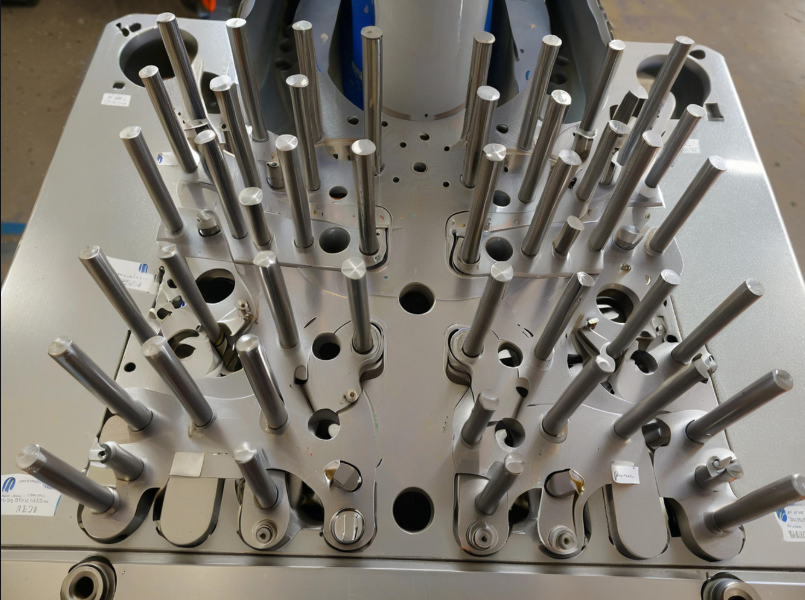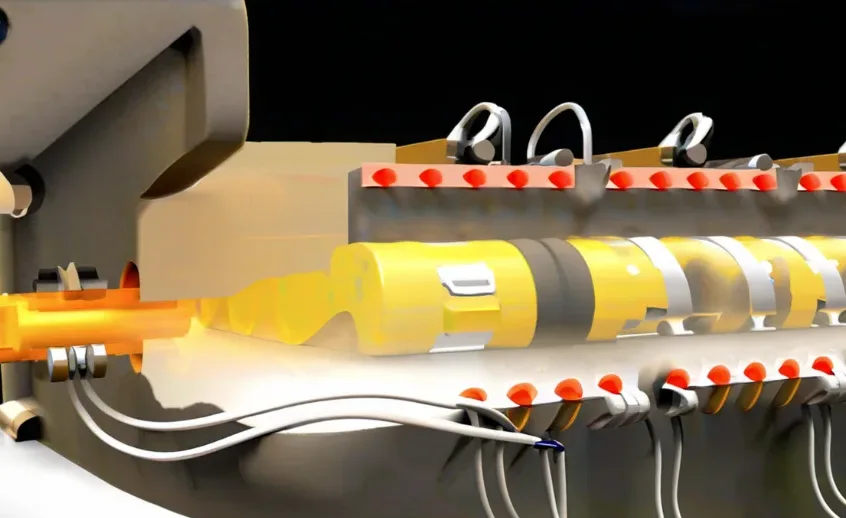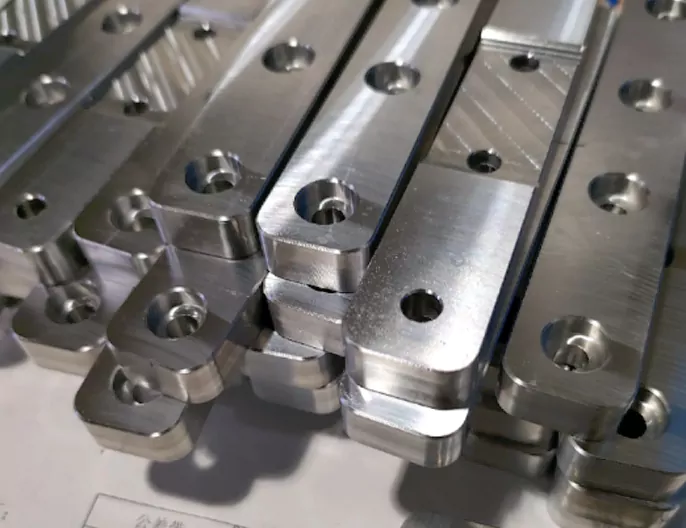
In the manufacturing industry, accuracy and proficiency is the most vital aspect. CNC (Computer Numerical Control) manufacturing and machining services have upset the manner in which businesses produce complex parts and parts with unrivaled exactness. This blog dives into the universe of CNC fabrication and machining services.
Understanding CNC Fabrication
CNC fabrication involves the use of computer-controlled machines to precisely cut, shape, and assemble materials into finished products. These machines follow pre-programmed instructions, allowing for the creation of complex and detailed components with minimal human intervention. The versatility of CNC fabrication extends across various materials, including metals, plastics, and composites.
Applications Across Industries
One of the key strengths of CNC fabrication lies in its adaptability to a wide range of industries. From aerospace and automotive to healthcare and electronics, CNC machining plays a pivotal role in crafting components that meet stringent specifications. The ability to produce intricate designs with consistency makes it a preferred choice for industries that demand high precision.
The CNC Fabrication and Machining Services Unveiled
- Design and Programming
The process begins with creating a digital design using CAD (Computer-Aided Design) software. This design serves as the blueprint for the CNC machine.
- Material Selection
CNC machines can work with an array of materials, each requiring specific tooling and machining parameters. This adaptability is a boon for manufacturers.
- Setup and Calibration
Once the design is loaded into the CNC machine, skilled operators set up the necessary tools and calibrate the equipment to ensure accuracy.
- Precision Machining
The CNC machine executes the programmed instructions with meticulous precision, cutting, milling, or drilling the material to create the desired shape.
- Quality Control
After machining, the finished product undergoes rigorous quality checks to ensure it meets the specified tolerances and standards.
Evolution of CNC Technology
The inception of CNC technology can be traced back to the mid-20th century when traditional machining methods faced limitations in meeting the rising demands for precision and consistency. As computer technology advanced, so did the capabilities of CNC machines. Today, these machines boast sophisticated controls and enhanced features that further elevate their precision and efficiency.
Versatility Across Materials
One of the remarkable aspects of CNC fabrication is its ability to work with an extensive range of materials. Whether it’s metal alloys, plastics, or composite materials, CNC machines adapt to the specific properties of each material. This versatility broadens the scope of industries that can benefit from CNC fabrication, making it a go-to solution for diverse manufacturing needs.
Customization and Prototyping
The flexibility inherent in CNC fabrication is a boon for customization and prototyping. Businesses can rapidly prototype designs before committing to large-scale production. This not only accelerates the product development cycle but also allows for adjustments based on real-world prototypes, reducing the risk of costly errors in mass production.
Conclusion
CNC fabrication and machining services have undeniably transformed the manufacturing landscape, offering a potent blend of precision, efficiency, and versatility. From small-scale intricate components to large-scale production, the impact of CNC machining resonates across industries. As technology advances, the continual refinement of CNC processes ensures that manufacturers can meet the ever-growing demands for precision and complexity in their products, ushering in a new era of manufacturing excellence.
FAQ:
CNC fabrication is the process of using computer-controlled machines to cut, shape, and assemble materials into finished products with high precision and minimal human intervention.
CNC machining operates through pre-programmed instructions derived from CAD (Computer-Aided Design) files. The CNC machine follows these codes to perform operations like milling, drilling, and cutting with exceptional accuracy.
CNC machines can process a wide variety of materials, including metals, plastics, and composites, each requiring specific tooling and machining parameters.
CNC machining is widely applied in aerospace, automotive, medical, and electronics industries—any field requiring precise, consistent, and complex component manufacturing.
The process includes digital design creation, material selection, machine setup and calibration, precision machining, and final quality inspection to ensure exact tolerances.
CNC machining offers superior accuracy, repeatability, and efficiency while minimizing human error. It also enables the production of intricate shapes that are difficult to achieve manually.
CNC technology originated in the mid-20th century and has evolved alongside computer advancements, now offering highly automated, multi-axis control for maximum precision and productivity.
Yes. CNC fabrication is ideal for rapid prototyping and customized production, allowing manufacturers to refine designs quickly before committing to full-scale manufacturing.
Every machined part undergoes rigorous inspection to verify dimensional accuracy, surface finish, and tolerance compliance, ensuring products meet exact design standards.
CNC fabrication combines precision, efficiency, and versatility—enabling manufacturers to produce complex parts faster, reduce costs, and achieve consistent quality across industries.