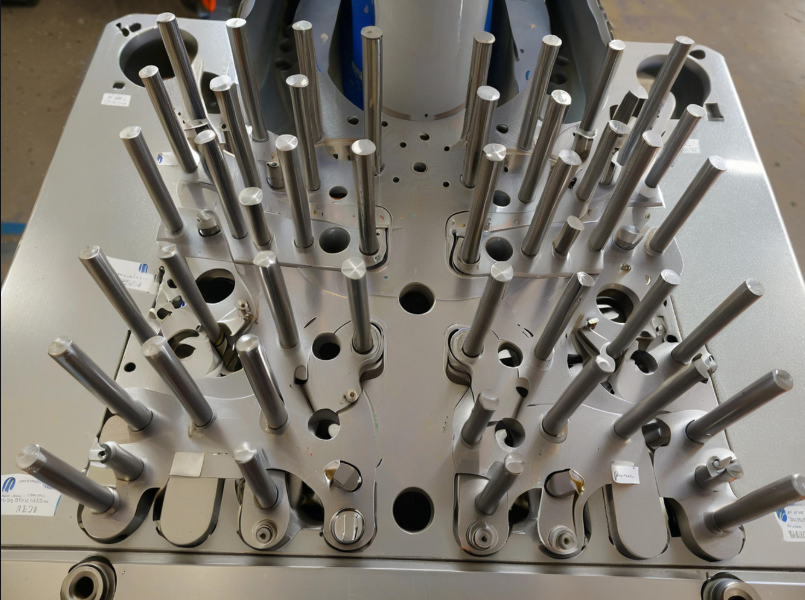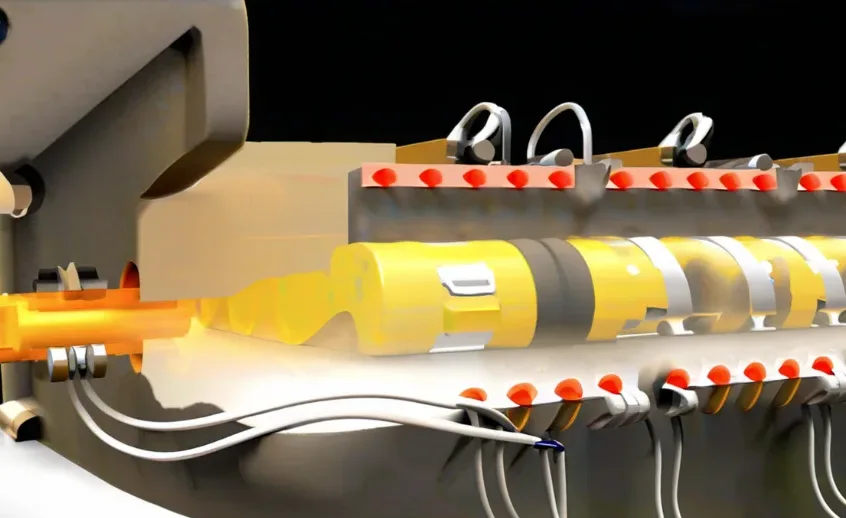
Hardware stamping hand model processing: Samples made by the above three methods are sampled, polished, and assembled. This procedure is to make all the parts into a finished product.
1. Fuel injection: Color the samples of the prototype we have made according to customer requirements. Our side is a dust-free oil room, which also uses Zhongshan Musashi and Zhonghua lacquer oil.
2. Silk screen printing: print or pattern on the plane of the prototype sample we have prepared.
3. Pad printing: print characters or patterns on the uneven surface of the hand.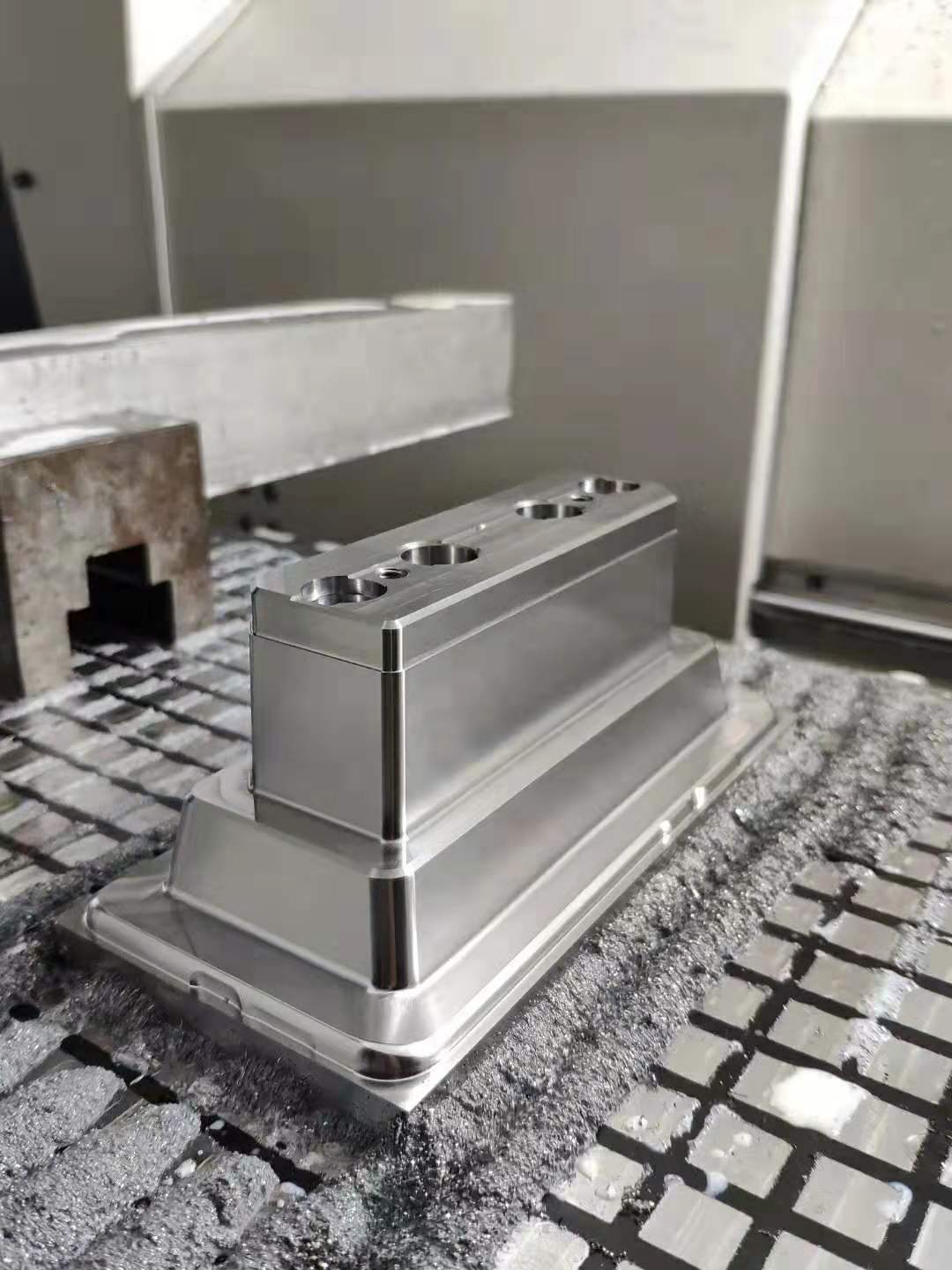
4. Laser carving: Use laser to remove the paint on the surface of the product to make part of the light transparent. (Such as: mobile phone buttons, car DVD buttons. Lenses, etc.).
5. Electroplating: In order to make the details of the product more eye-catching, the color of the product coated with soldering silver must be very smooth before plating.
6, there must be no traces of impurities, and then soaked in chemical solution. (There are water crossing and vacuum crossing)
7. Oxidation (anodic treatment): the oxidation reaction of the aluminum surface, forming a film, making the product difficult to scratch. Processing of hand model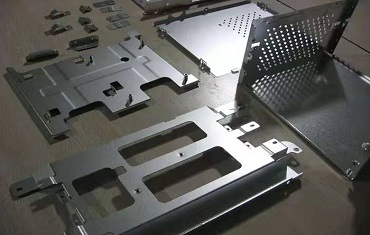
8. Brushing: Pull out a few fine marks on the surface of aluminum to make the sample texture better.
9. High light: On the aluminum sample that has been surface-treated, use high-speed CNC machining for one turn to reveal the true color of aluminum. Dongguan CNC hand processing.
10. Over UV: spray a layer of transparent oil on the surface of the product and bake it with ultraviolet light to make the product brighter and less tolerant, like a protective layer.
11. Relief: Carving a dragon by hand on a plane is called relief.
12. Mud carving: Use red mud to sculpt a dinosaur, lion and other mud carvings by hand.
Sheet Metal Processing is professional, if you need, please send email to [email protected]
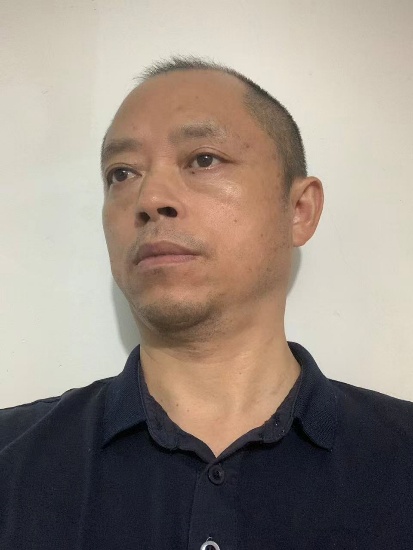
Solomon Yang is a manufacturing industry professional with extensive experience in electronic, mechanical, and industrial component manufacturing. Having held various positions in American and Taiwanese manufacturing companies, he has developed a comprehensive understanding of manufacturing processes, production management, quality control, and global supply chain operations.
With expertise in business development, sales operations, international trade, customer relationship management, and engineering project support, Solomon bridges technical knowledge with commercial strategy to deliver innovative and cost-effective manufacturing solutions. He is passionate about advanced manufacturing technologies, process improvement, and continuous professional growth, with a strong commitment to creating value for customers and partners worldwide.