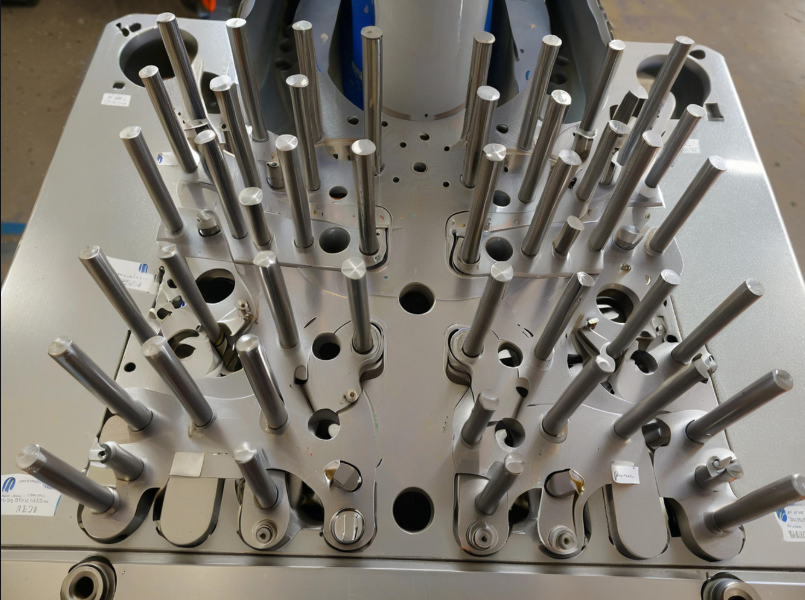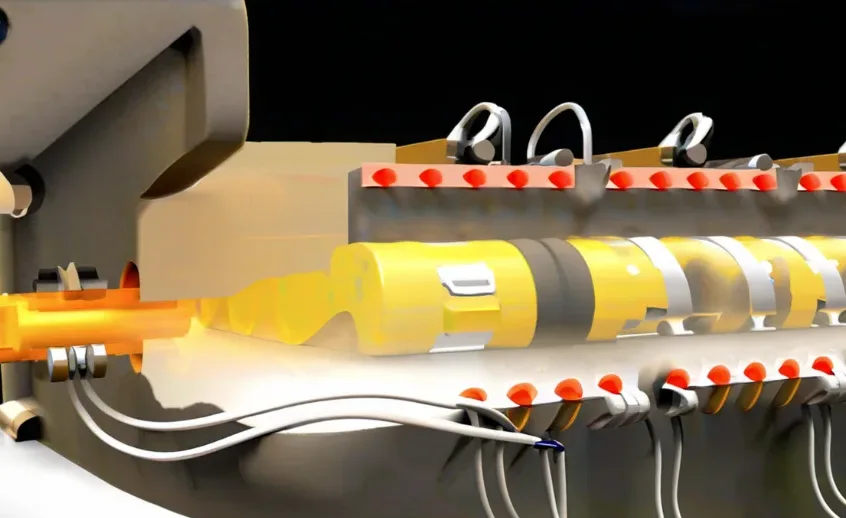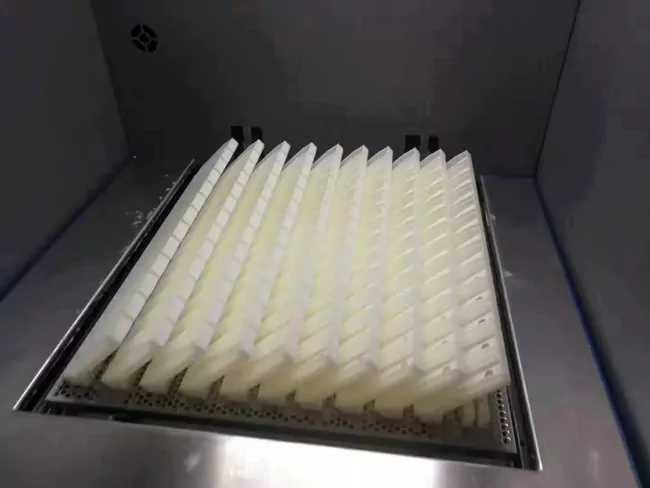
In modern manufacturing, every step from prototyping to mass production is critical, especially in producing complex products such as car lights and headphone housings, items that require multiple molding passes to achieve. Molding technology is essential for every process step, from initial prototyping to final mass production. The molding process typically involves injecting molten materials into molds to mass-produce various products. With the development of digital manufacturing technologies, rapid prototyping and small batch production play an increasingly important role in product development.
The close connection between rapid prototyping and small batch production
Rapid prototyping is the process of creating prototype molds quickly using advanced digital manufacturing technologies (e.g., 3D printing, CNC machining, etc.). While these molds are not typically used for mass production, they can quickly generate prototypes that can be replicated multiple times to validate a product design. This process is particularly useful for functional testing and design optimization in the early stages of a product.
Small batch production extends rapid prototyping into short-run manufacturing, enabling companies to produce limited quantities for market testing or inventory control quickly. This approach helps evaluate market response, adjust products, and reduce inventory risk before mass production.
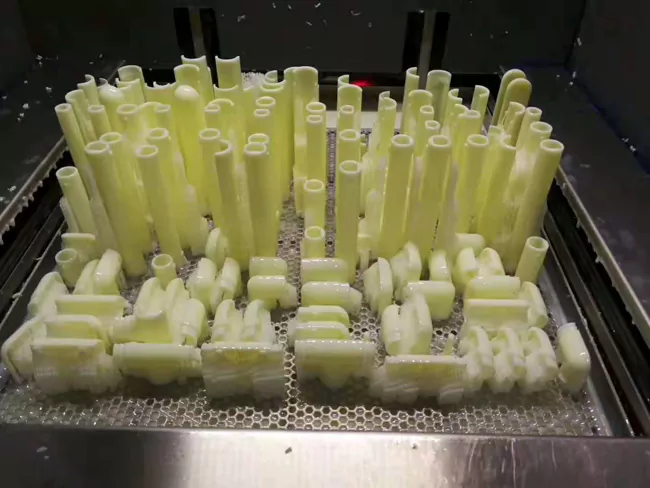
The main advantages of rapid prototyping and small batch production
1. Shorten lead times and reduce costs
A key advantage of rapid prototyping is its ability to shorten the production cycle through digital manufacturing methods like 3D printing and CNC machining. These technologies allow companies to quickly complete prototypes and move into production, accelerating time-to-market and improving competitiveness. At the same time, they reduce material waste and manual labor, significantly lowering production costs.
2. Support the realization of complex design
Traditional manufacturing struggles with complex designs, especially intricate external or internal structures.
Digital technologies like 3D printing and CNC machining overcome these limits, enabling more advanced designs.
By scanning drawings and generating data models, manufacturers quickly create prototypes for testing and refinement.
Whether it’s a uniquely shaped lamp or an electronic device with complex internals, digital tools handle the challenge efficiently.
3. Small batch production, flexible response to market demand
Small batch production is crucial for market testing and inventory control.
As demand shifts, companies must adjust production quickly and maintain quality.
This is vital for new launches, enabling fast feedback, product refinement, and inventory risk reduction.
During prototype validation, manufacturers can produce a few to several hundred units in a short time.
4. Rapid transition from prototype to market
Rapid prototyping goes beyond making a single prototype—it speeds up the path from design to production.
It lets companies test function, form, and feasibility early to meet market needs.
Small batch production enables fast market testing, feedback collection, and design adjustments.
Ruiyi: Providing you with rapid prototyping and small batch production solutions
Ruiyi helps companies accelerate product development, testing, and production with advanced manufacturing technologies.
Our prototyping, small batch, and rapid production services speed up development and lower costs.
We offer 3D printing, CNC machining, plastic injection molding, and other methods to meet complex design precision.
Our engineers collaborate with you during the DFM phase to optimize every detail.
In addition to prototyping and low-volume production, we provide outsourced machining services like aluminum extrusion and die casting, covering all stages from design to production.
Through small batch production and rapid prototyping, you can not only get market feedback and optimize your product design but also meet the specific needs of the market in a short period. Ruiyi is committed to providing you with one-stop solutions to make your product development process smoother and more efficient.
5 Conclusion
Rapid prototyping and small batch production are essential for new product development and market promotion. They shorten development time, reduce costs, and support complex design realization and market validation. Contact us today for a customized quote and gain a competitive edge.