Introduction
Plastic injection molding plays a crucial role in bringing product designs to life. It not only showcases the designer’s vision in terms of structure and aesthetics but also significantly shortens time to market. With rapid development capabilities, prototypes produced from plastic injection molds enable companies to promote and validate their products even before final molds are created.
The Importance of Prototype Models in Industrial Design
Prototype modeling is a vital step in the entire product development cycle. It serves as a bridge between concept and mass production, verifying both the visual appeal and the feasibility of the engineering structure. For R&D teams, creating a prototype after completing the product design is essential for testing form, fit, and function before investing in full-scale production.
Common Methods for Plastic Prototype Manufacturing
Three primary techniques are widely used in plastic prototype production:
- CNC Machining: Offers high strength and precision, making it ideal for structural parts and functional testing. It supports a broad range of materials and is more durable than 3D printed models.
- 3D Printing (Rapid Prototyping): Ideal for complex and detailed designs, especially in early development. It has a faster turnaround—sometimes within 24 hours—but printed surfaces tend to be rough, and metal 3D prints are still more expensive than CNC alternatives.
- Silicone Molding: Requires an original model (master), which can be made via CNC or 3D printing. It is best suited for small batch production and offers a low-cost, fast turnaround solution.
Applications of Plastic and Silicone Prototype Models
Plastic hand models are widely used in consumer electronics and household appliances, such as TV casings, fan housings, and phone shells. They help visualize and test the design before moving to mass production.
Silicone prototypes, on the other hand, are ideal for demonstrating the external shape of products like toys, mobile phones, auto parts, and household items. The choice of silicone formulation depends on the intended display or testing requirements.
Metal Prototypes for Premium Products
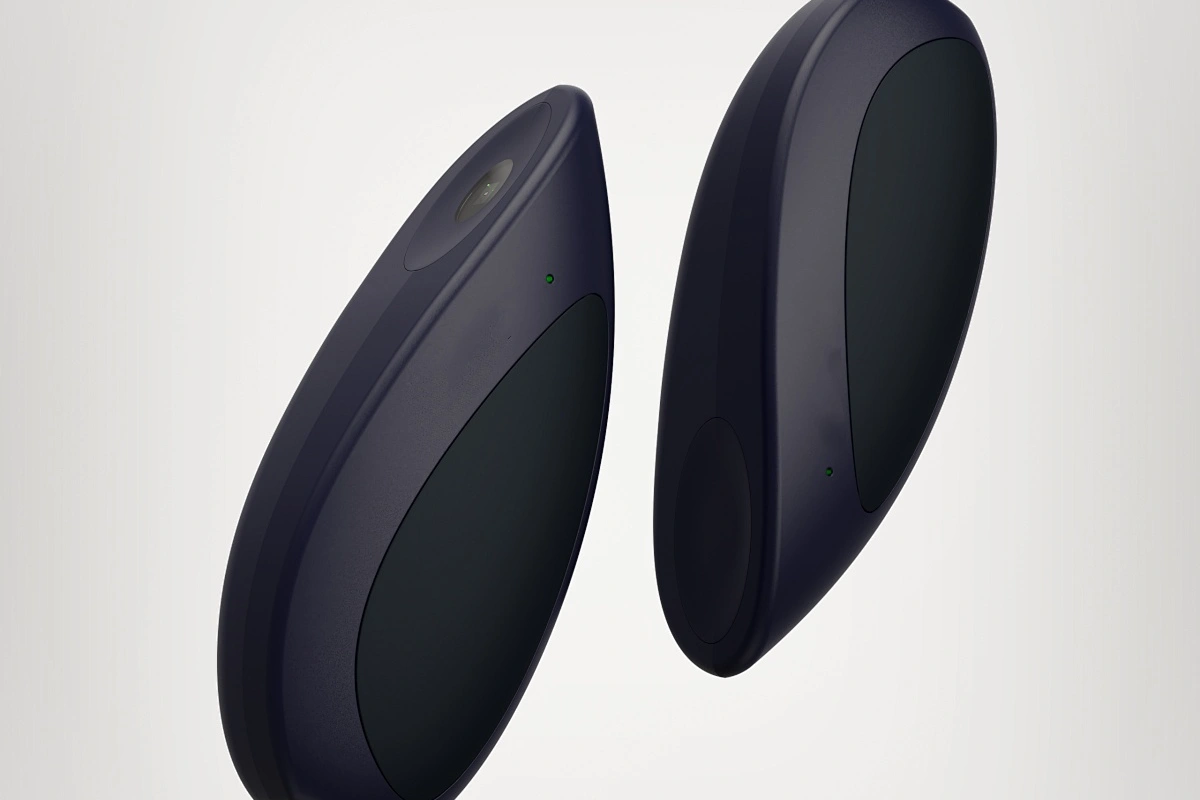
For high-end products such as laptops, audio devices, and premium electronics, metal hand plate models made from aluminum, magnesium, or zinc alloys are commonly used. These models offer higher strength and a better surface finish, suitable for performance evaluation and luxury branding.
Batch Production of Aluminum Alloy Prototypes: Key Benefits
- Design Evaluation: Assess aspects like dimensions, disassembly structure, color matching, material choice, and surface texture.
- Structural Validation: Analyze product size, assembly method, mechanical strength, fit tolerances, and material selection.
- Functional Testing: Conduct tests such as assembly fit, operation simulation, drop resistance, electrical performance, and motherboard integration.
- Pre-Production Cost Optimization: Identify potential savings in structural parts, electrical layout (e.g., FPC routing), and assembly methods.
- Marketing & Display: Use prototypes for promotional materials, trade shows, product photography, and e-commerce listings.
Conclusion
Plastic injection molding and prototype modeling are indispensable tools in today’s product development landscape. From visualizing designs to validating functionality and optimizing costs, these processes help turn creative ideas into practical, market-ready products quickly and efficiently.