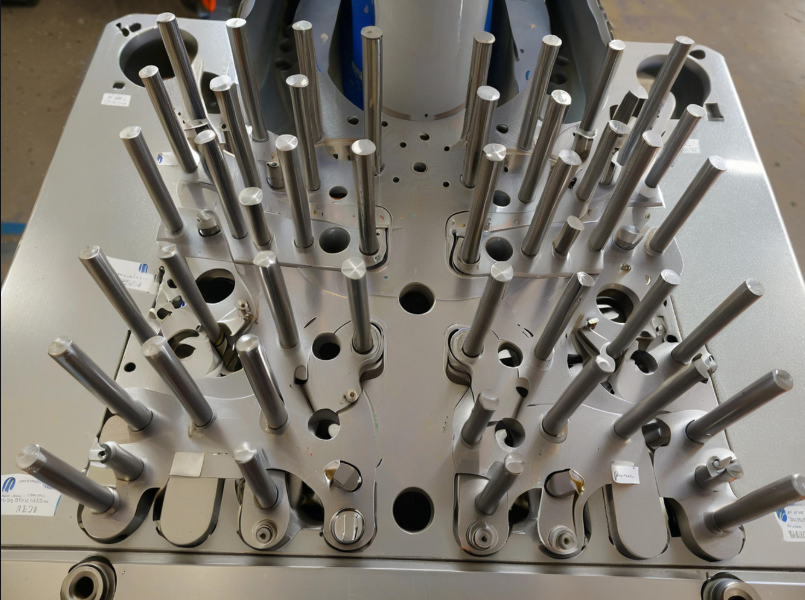
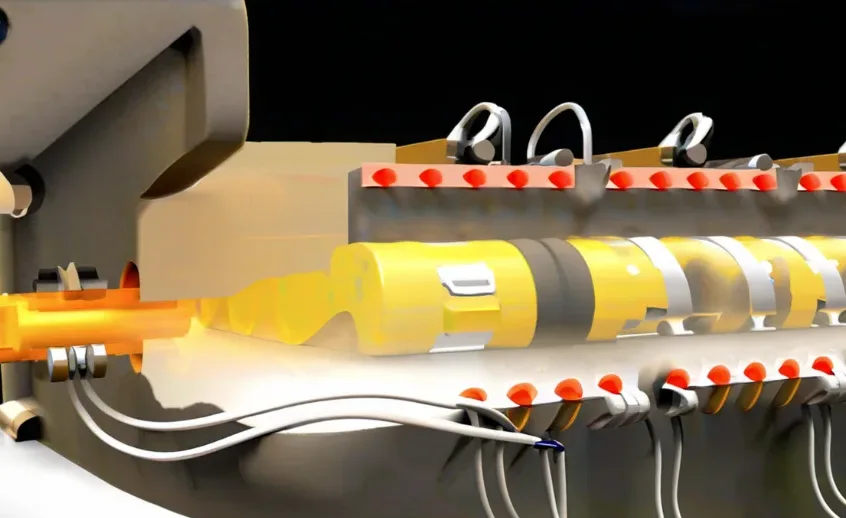
Many new CNC machining hand models are being used today, including 3D printing. But CNC machining is still the most common way to mass produce parts. There are several known methods of CNC machining hand model:
Turning
Turning simply involves firmly clamping the workpiece on a rotating plate or mandrel. When the workpiece rotates, the cutting tool is fixed against it in a fixing device mounted on a moving slide. The slider can be moved up and down along the length of the workpiece, and closer or farther away from the centerline. This simple operation is ideal for quickly removing large amounts of material. In addition, the drill bit mounted on the tailstock of the lathe can drill precise holes; the lathe is used to form a concentric shape on the outer periphery of a circular part; the grooves, ring grooves, step shoulders, internal and external threads, cylinders are manufactured on the lathe Body and shaft-many round or circular features.
2.milling
Milling is fundamentally different in that the workpiece remains stationary and the cutting tool rotates on a spindle. The workpiece is usually held horizontally in a machine vise and mounted on a table that moves in X and Y directions. The spindle can hold various tools and move in X, Y and Z axes. Milling cutters are used to make squares / flats, notches, chamfers, channels, profiles, keyways and other features that rely on precise cutting angles. As with all metalworking operations, cutting fluids are used to cool workpieces and cutting tools, to lubricate, and to flush away metal particles or chips.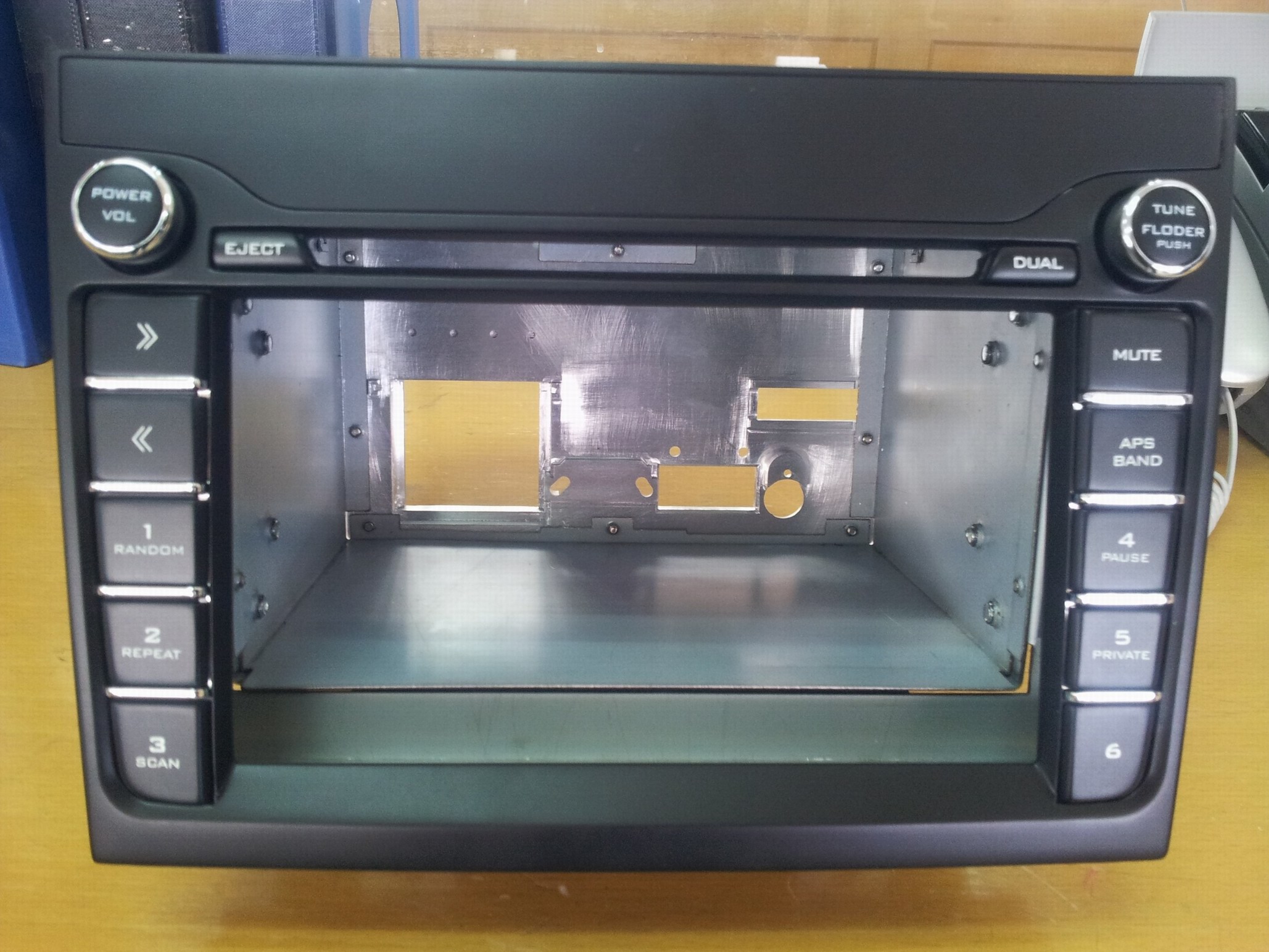
3. grinding
Grinding to make very flat surfaces on metal parts is important for many applications, and the best way to make this precise surface is to use a grinder. The grinder is a rotating disc covered with abrasive grit with a specific roughness. The workpiece is mounted on a table and moves back and forth laterally on a sliding table below the grinding wheel, or sometimes remains stable as the grinding wheel moves. Depending on the material being ground, different types of abrasives are used. Thermal and mechanical stresses in the grinding process can adversely affect the workpiece, so care must be taken to control tool speed and temperature.
4.EDM
Solid EDM is used to make dimples, holes, and square features inside hardened tool steel, and it is difficult, if not impossible, to make it any other way. It is commonly used in plastic injection and pressure die casting molds, and rarely in the finished part itself. EDM is also used to make textured surfaces or recessed (recessed) letters and logos on molds.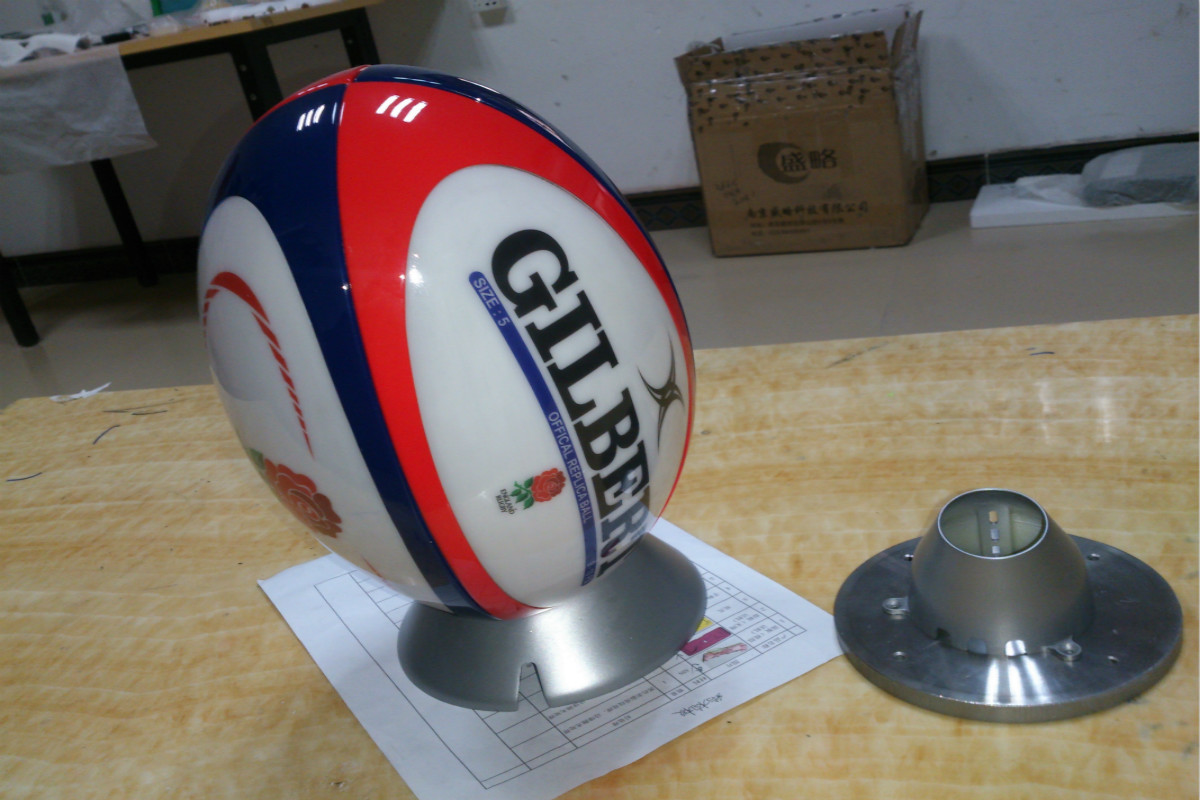
5.Wire cutting
Wire cutting uses copper wire as a conductor of high voltage charge. Since the conductor is stably corroded during the cutting process, new wires are supplied from the spool. This technique needs to be passed and cannot be used for blind holes. Wire cutting is used on thick, hardened tool steel to make round or semi-circular features, which will be very difficult to make with conventional cutting tools.
6. Optical polishing
Optical grinding. We only discuss machining metal, but CNC machining is also used to make special optics for glass or plastic. Optics require very fine surfaces with very tight tolerances, so a dedicated grinding device is used to rotate the grinding wheel relative to the surface when rotating on multiple axes.
Through the use of the above-mentioned several manufacturing methods of the prototype model, the quality of CNC products processed by many prototype processing factories has been rapidly improved, and has spread to the world.