What Is Stainless Steel?
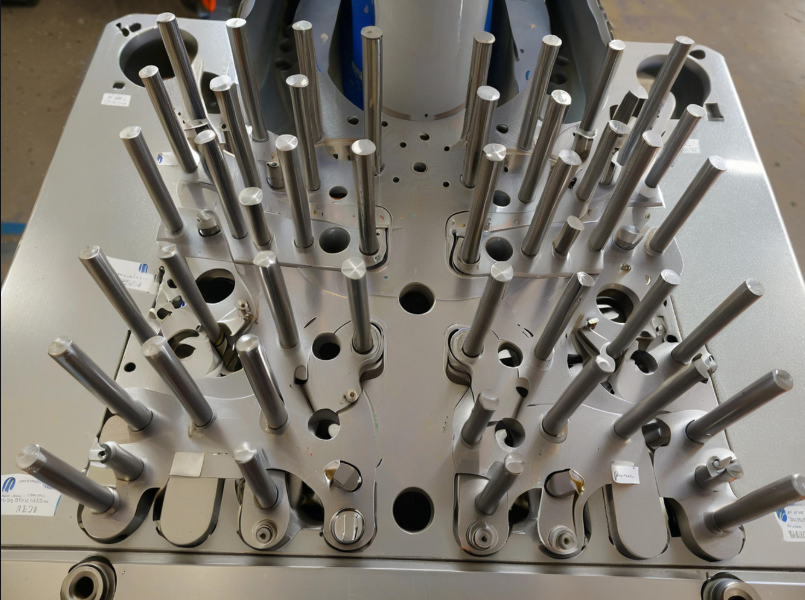
Stainless steel is a steel alloy that contains chromium, nickel, and other elements. Its ability to resist rust comes from the chromium, which forms a thin, invisible, self-healing layer of chromium oxide on the surface. A common composition ratio is 18% chromium and 10% nickel (18:10), which offers excellent corrosion resistance.
The Rise of Stainless Steel in Design
In the early 20th century, stainless steel began appearing in product design. Its toughness and corrosion resistance opened doors to new applications in fields previously untouched by metals—most notably, the medical industry, where it enabled the creation of reusable, sterilizable tools and equipment.
Four Main Types of Stainless Steel
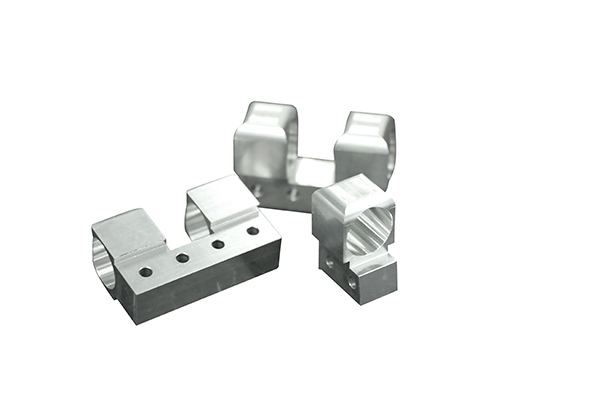
Stainless steel can be categorized into four primary types, each suited for different uses:
Austenitic: Non-magnetic and highly corrosion-resistant; commonly used in kitchenware, piping, and building structures.
Ferritic: Magnetic and resistant to corrosion; ideal for appliances like washing machines and boiler parts.
Martensitic: Strong and wear-resistant; used in tools, knives, and turbine blades.
Duplex (Ferrite-Austenite): Combines the best properties of ferritic and austenitic types; excellent for harsh, corrosive environments.
Key Material Characteristics
Stainless steel is favored for its unique material properties, including:
Excellent hygiene and corrosion resistance
Fine surface finish suitable for decorative use
High rigidity and structural strength
Versatility in processing methods, though cold forming can be difficult
Typical Applications
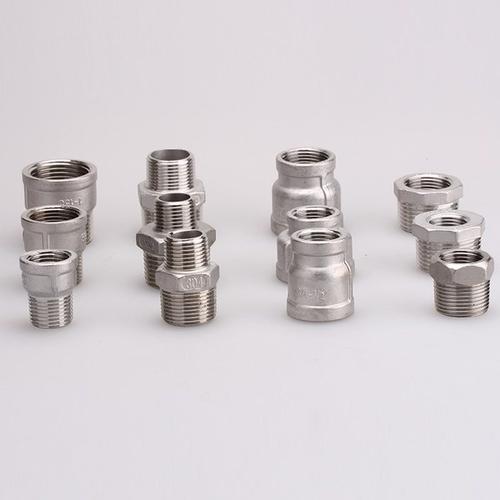
Austenitic stainless steel: Household goods, food-grade containers, pipelines, and structural components.
Martensitic stainless steel: Cutting tools, surgical instruments, and turbine blades.
Ferritic stainless steel: Durable consumer appliances and boiler systems.
Duplex stainless steel: Industrial equipment exposed to aggressive chemicals or seawater.