When dividing the working procedure of CNC machining, we must grasp flexibly the structure and technology of parts, the function of the CNC machining center, the number of NC machining contents, the installation times, and the production organization of the unit. In addition, it is suggested that the principle of process centralization or process decentralization should be adopted according to the actual situation, but it must be reasonable. Generally, the division of working procedures can be carried out according to the following methods:
1. The method of tool centralized sequence.
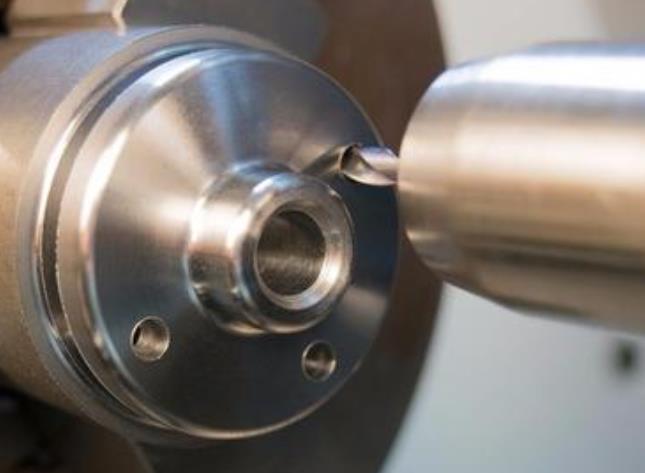
This method divides the working procedure according to the tool used and processes all the parts that can be completed on the part with the same tool. To reduce the tool change time, idle travel time, and unnecessary positioning error, parts can be processed according to the method of tool centralized process, that is, in one clamping process, the parts can be processed with one tool as far as possible, and then another tool is used to process other parts. In this way, the number of tool changes can be reduced, the idle travel time can be compressed, and the unnecessary positioning error can be reduced.
2. According to the method of processing parts.
Each part has a different structure and shape, and the technical requirements of each surface are also different. Therefore, the positioning methods are different during processing, so the working procedure can be divided according to the different positioning methods.
For parts with a lot of processing contents, the processing part can be divided into several parts according to its structural characteristics, such as internal shape, shape, surface or plane, etc. Generally, the plane and positioning surface are processed first, and then the hole; the simple geometric shape is processed first, and then the complex geometric shape; the parts with low precision are processed first, and then the parts with high precision requirements are processed.
3. The method of rough and fine machining is used.
When the working procedure is divided according to the machining accuracy, rigidity, and deformation of the parts, the working procedure can be divided according to the principle of separating the rough machining and the finishing machining, that is, the rough machining is first followed by the finishing machining, and then different machine tools or different cutting tools can be used for processing; For parts prone to machining deformation, due to the deformation that may occur after rough machining, it is necessary to carry out shape correction. Therefore, generally speaking, the process of rough and finished machining should be separated.

Solomon Yang is a manufacturing industry professional with extensive experience in electronic, mechanical, and industrial component manufacturing. Having held various positions in American and Taiwanese manufacturing companies, he has developed a comprehensive understanding of manufacturing processes, production management, quality control, and global supply chain operations.
With expertise in business development, sales operations, international trade, customer relationship management, and engineering project support, Solomon bridges technical knowledge with commercial strategy to deliver innovative and cost-effective manufacturing solutions. He is passionate about advanced manufacturing technologies, process improvement, and continuous professional growth, with a strong commitment to creating value for customers and partners worldwide.