In the dynamic field of product development, the journey from concept design to tangible products is crucial. Prototyping is a key milestone in this process. Over the years, prototyping methods have undergone significant transformations, evolving from traditional methods to more advanced, faster, and cost-effective techniques. This evolution has significantly impacted the way products are designed, tested, and brought to market. This article will delve into the nuances between traditional prototyping and rapid prototyping, explaining how these methods shape the future of product design and development.
What is Traditional Prototyping?
What is Rapid Prototyping Technology?
Key Differences Between Traditional and Rapid Prototyping
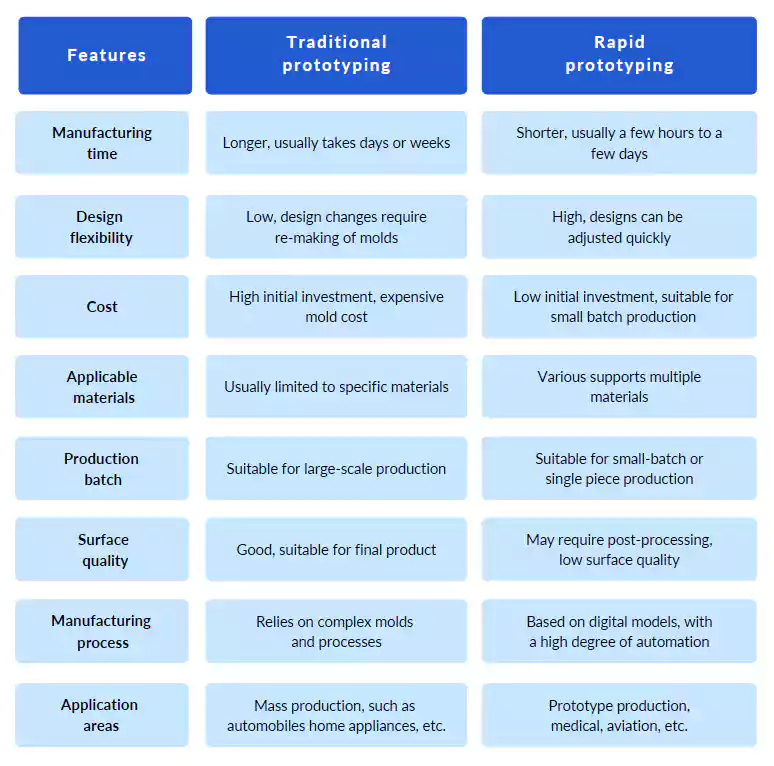
Comparison between traditional prototyping and rapid prototyping
1. Manufacturing Process
Rapid prototyping is an advanced manufacturing method that generates physical samples directly from 3D models based on CAD data. The whole process usually includes the following steps:
Design 3D model: Create a 3D model of the product through CAD software, or use 3D scanning technology to capture the digital form of the object to provide basic data for subsequent processing.
Slicing: The 3D model is split into a number of thin layers, the thickness of each layer can be set according to requirements. This step is an important part of realizing precise manufacturing.
Molding process: Additive manufacturing techniques (such as 3D printing, selective laser sintering or stereolithography) are used to construct solid samples layer by layer. This approach does not require molds and is suitable for rapid iteration and design verification.
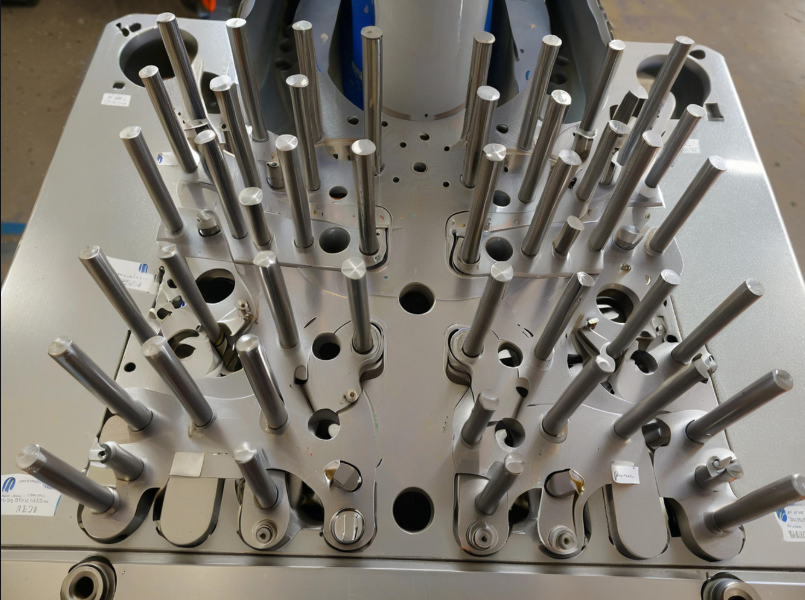
In contrast, traditional manufacturing methods rely on molds for high-volume production and typically include the following steps:
Tooling design: Matching tooling is developed based on the product design, usually through CNC machining or hand fabrication. The molds need to be designed with a high degree of accuracy to meet the demands of mass production.
Mold Manufacturing: The production of the mold itself is time-consuming and costly, and is therefore suitable for mass production.
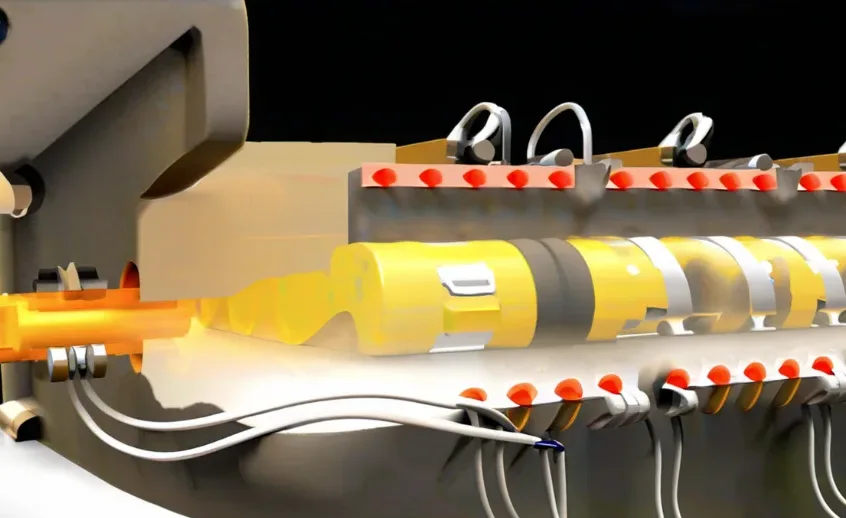
Material Forming: Shaping materials such as metals or plastics by heating, pressurizing, etc. to create the final product.
2. Speed of Prototyping
Known for its fast turnaround, rapid prototyping can take from a few hours to a few days from design to finished product. It is especially suitable for sample creation and small-batch production.
Traditional methods have a longer production cycle, especially during the mold-making phase, which can take weeks or even months. It is ideal for large-scale production but not for quick iteration and design changes.
3. Cost
While traditional methods have a cost advantage in large-scale production, mold-making expenses are high. If product designs frequently change, the cost of remaking molds can also increase significantly.
4. Material Selection
Also suitable for multiple materials, but the complexity and cost of forming processes vary. For example, casting is suited for metals, while injection molding is mainly for plastics.
5. Design Flexibility
Offers tremendous design flexibility. Designers can quickly test and iterate prototypes without considering mold-making limitations. Complex geometries and internal structures are easily achievable, supporting innovative designs.
Limited in design flexibility, particularly during the mold design phase where complex shapes and details may be challenging to achieve. Once molds are made, design changes require significant time and cost investment.
6. Applications
Extensively used in mass production, suitable for household appliances, toys, mechanical parts, and various products. Its high production efficiency and low unit cost are advantageous in large-scale manufacturing.

Specific technologies for additive manufacturing
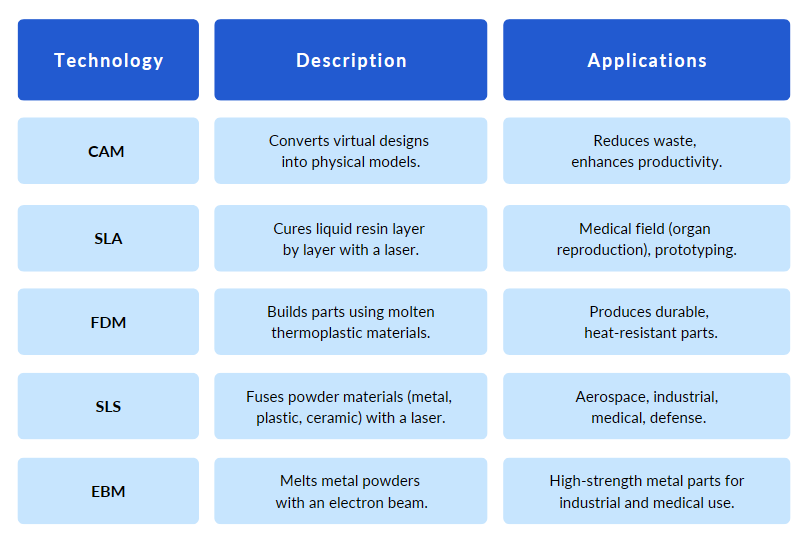
Additive manufacturing techniques utilize a variety of advanced means to provide efficient solutions for modern industry, from conceptual design to finished product manufacturing. The following are a few of the major additive manufacturing technologies:
1. Computer Aided Manufacturing (CAM)
Using specialized software to generate accurate physical models, CAM technology seamlessly transforms virtual designs into physical products. This method dramatically reduces waste while increasing productivity.
2. Light-curing molding (SLA)
SLA uses a laser to cure liquid photosensitive resins layer by layer, enabling the rapid generation of highly accurate 3D models. This technology is widely used in the medical field, such as reproducing human organs through MRI or CT scans, and is also suitable for general prototyping.
3. Fused Deposition Molding (FDM)
FDM utilizes molten thermoplastic materials to build prototypes layer by layer. The advantages are that it is resistant to high temperatures and can withstand rigorous functional testing, making it suitable for producing robust parts.
4. Selective Laser Sintering (SLS)
SLS is capable of producing complex and powerful parts by fusing metal, plastic or ceramic powder particles with a laser. This technology is used in a wide range of aerospace, industrial, medical and defense applications.
5. Electron Beam Melting (EBM)
EBM utilizes an electron beam to melt metal powders to build parts layer by layer, resulting in an extremely strong finished product that requires no additional heat treatment. This technology is particularly well suited to the manufacture of high-strength metal parts for a wide range of industrial and medical applications.
These technologies provide flexible solutions for design verification, small-lot production, and even final product manufacturing, helping to drive the product development process and reduce manufacturing costs.
Table 2 summarizing the specific technologies used in additive manufacturing