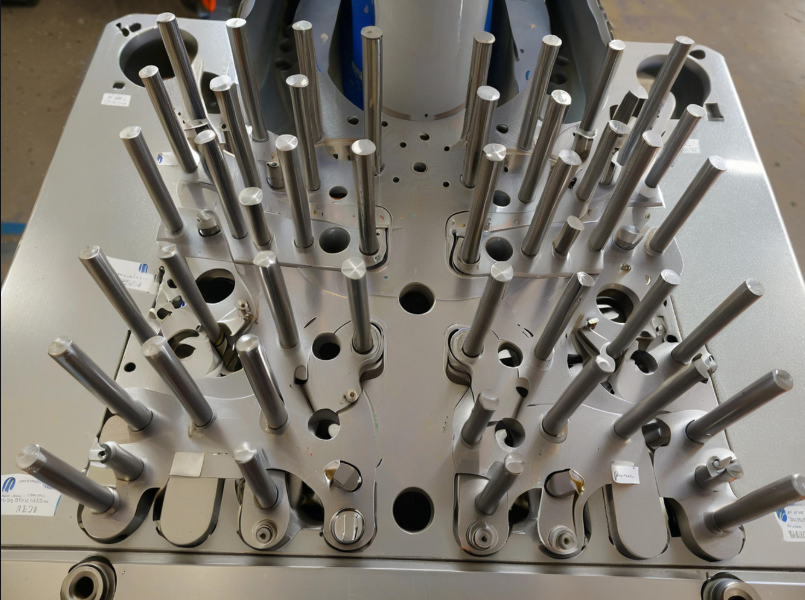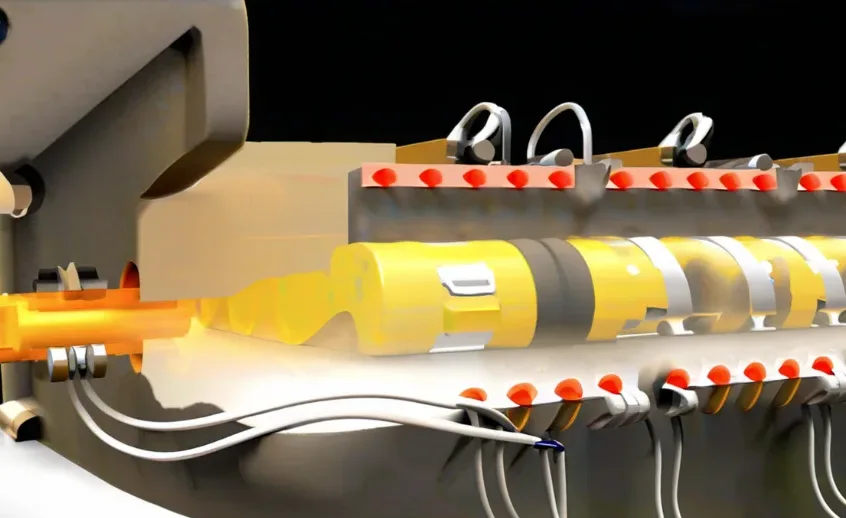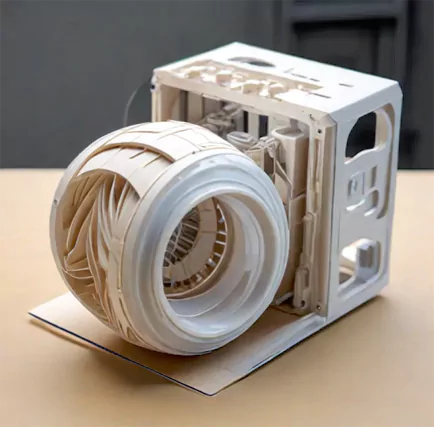
Rapid prototyping is an agile strategy used by designers and engineers to enhance the efficiency of product development. It helps create realistic three-dimensional (3D) prototypes that closely resemble the final product, allowing for quick analysis and modifications to improve the product and ensure the shortest time to market.
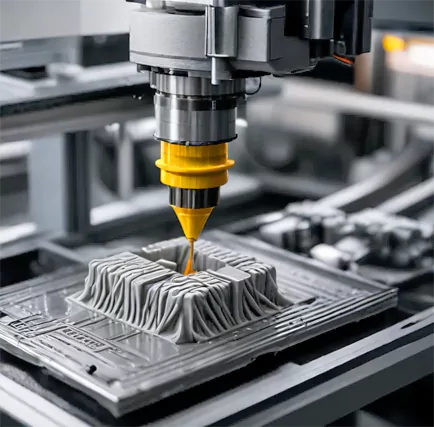
As the term “rapid” suggests, speed is a critical element of this approach. Rapid prototyping utilizes additive manufacturing technology or 3D printing to produce parts and assemble them into high-fidelity prototypes at a low cost. This accelerated prototype production significantly shortens the overall product development process, which typically requires multiple iterations of design, dimension, shape, or assembly.
How Rapid Prototyping Works
Rapid prototyping involves using the product itself during the design phase, not just blueprints. Resources to achieve this include 3D printing, traditional modeling, and computer modeling combined with intelligent cutting machines. These tools allow creators to quickly build working models and find ways to improve designs.
Rapid prototyping follows the principle of continuous improvement: creating, testing, and refining the model. This process cycles repeatedly until a high-quality model and efficient production process are established. This ensures the product is as close to perfect as possible and can be mass-produced in a cost-effective manner.
Benefits of Rapid Prototyping
1.Accelerating the Product Development Cycle
Rapid prototyping technology allows engineers to convert design concepts into physical models in a short period, significantly reducing the time from concept to market. This efficient prototyping method enables engineers to quickly verify design feasibility and make necessary adjustments and improvements. Compared to traditional manufacturing methods, rapid prototyping significantly reduces the design and testing cycles, allowing products to reach the market faster.
2.Reducing Costs
Traditional manufacturing processes often require expensive and time-consuming mold making, which puts a lot of pressure on project budgets. Rapid prototyping, on the other hand, can directly produce the required models through technologies like 3D printing, avoiding the high costs of mold manufacturing and modification. Additionally, identifying and solving design issues early can prevent costly rework later, further reducing overall development costs.
3.Improving Design Accuracy
With rapid prototyping technology, engineers can examine various aspects of the design in detail through physical models, including shape, dimensions, functionality, and assembly. This intuitive method makes it easier to identify potential problems and shortcomings compared to relying solely on computer simulations. Testing and validating through physical models allow engineers to more accurately evaluate and improve the design, ensuring the final product’s quality and performance.
4.Enhancing Team Collaboration
Rapid prototyping not only assists individual engineers but also significantly promotes team collaboration. Physical models can more clearly convey design intentions, facilitating discussion and communication among team members. Whether from the design department, engineering department, or marketing department, everyone can more intuitively understand and evaluate the design through actual models, offering constructive feedback. This effective cross-departmental collaboration helps improve the overall team’s work efficiency and innovation capability.
5.Increasing Customer Satisfaction
During the product development process, showcasing physical prototypes enables engineers to communicate more effectively with customers and obtain timely feedback. Customers can see the actual model in the early stages of development, enhancing trust and satisfaction. This not only helps ensure the final product meets customer needs and expectations but also increases customer recognition of the company and brand.
6.Validating Materials and Processes
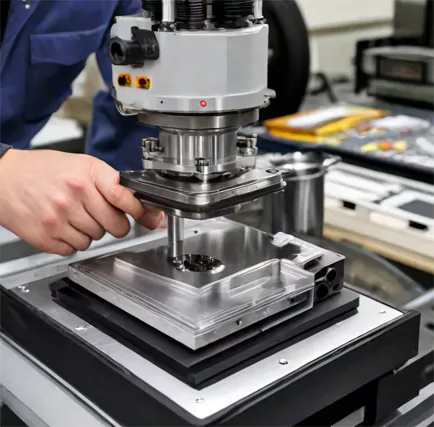
Rapid prototyping technology allows engineers to manufacture using various materials, enabling testing and validation on actual materials. This helps assess the performance, durability, and feasibility of processes. By experimenting with different materials and processes, engineers can find the most suitable solutions to ensure the final product’s quality and reliability.
7.Promoting Innovation
Rapid prototyping technology lowers the threshold for trying new designs and ideas, allowing engineers to explore different design concepts and creativity more freely. This freedom of innovation not only helps enhance product competitiveness but also drives the industry’s overall development. Engineers can continuously optimize designs through rapid trials and iterations, achieving breakthrough innovations.
Conclusion
Rapid prototyping plays a crucial role in modern engineering design and manufacturing. It not only accelerates the product development cycle and reduces costs but also improves design accuracy and team collaboration efficiency. By showcasing actual models, engineers can better communicate with customers, validate materials and processes, and drive innovation. In summary, rapid prototyping provides engineers with greater efficiency, flexibility, and accuracy, helping them turn innovative ideas into real products at lower costs and faster speeds.

Solomon Yang is a manufacturing industry professional with extensive experience in electronic, mechanical, and industrial component manufacturing. Having held various positions in American and Taiwanese manufacturing companies, he has developed a comprehensive understanding of manufacturing processes, production management, quality control, and global supply chain operations.
With expertise in business development, sales operations, international trade, customer relationship management, and engineering project support, Solomon bridges technical knowledge with commercial strategy to deliver innovative and cost-effective manufacturing solutions. He is passionate about advanced manufacturing technologies, process improvement, and continuous professional growth, with a strong commitment to creating value for customers and partners worldwide.