CNC Sheet Metal Processing:Key Considertions and Best Practices
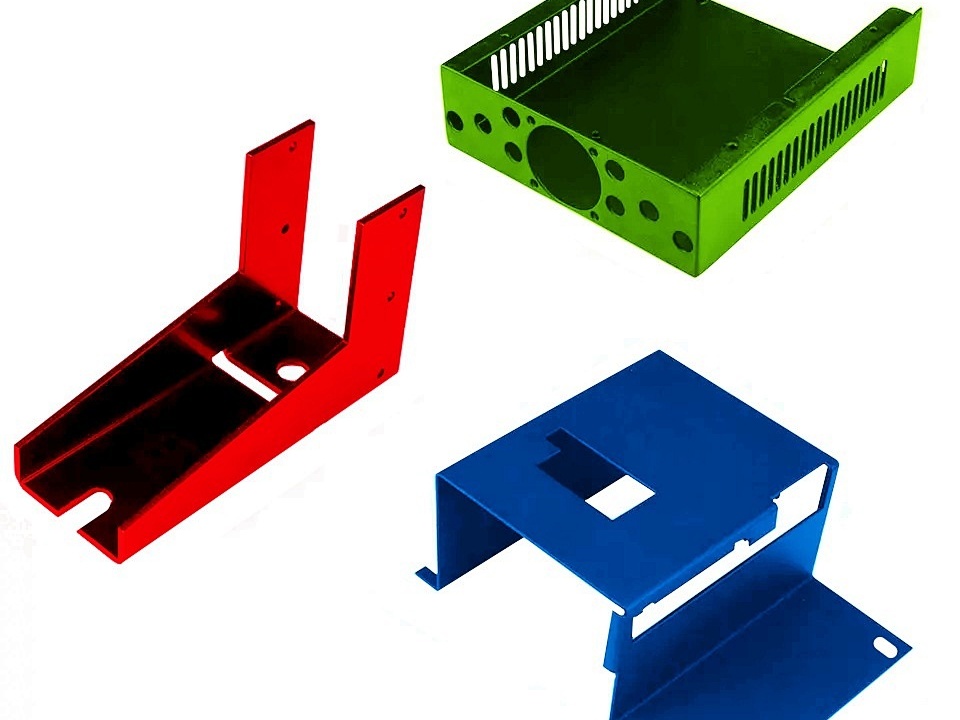
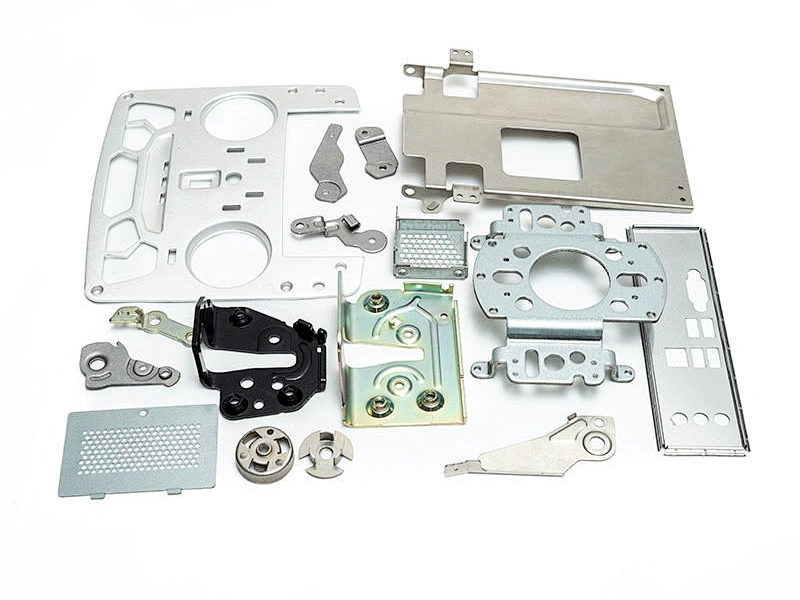
CNC sheet metal processing is an advanced manufacturing method with significant potential. It is gaining popularity for creating high-quality sheet metal parts. To ensure precision and efficiency, manufacturers must pay attention to specific practices. Below are the essential points for success in CNC sheet metal processing.
Developing an Effective Processing Route
An efficient processing route is crucial for achieving excellent results. Use the following steps to establish a proper workflow:
Process the Reference Surface First
Create an accurate reference surface before proceeding. This step ensures the precision of all subsequent operations.
Divide the Processing Stages
Organize the workflow into three phases: roughing, semi-finishing, and finishing. This segmentation ensures consistent quality and allows early detection of issues.
Prioritize Hole Processing
Start by machining holes for parts like boxes, brackets, and connecting rods. This step ensures alignment and improves precision. It also simplifies later machining operations.
Innovative CNC Sheet Metal Processing Technologies
Manufacturers enhance CNC sheet metal processing through advanced technologies. These innovations improve accuracy and flexibility.
Laser Shock Technology
A pulsed laser beam impacts the metal surface to create a plane wave. This wave causes plastic deformation, improving material properties and surface quality.
Plastic Forming Technology
This approach involves three types of plasticity:
Fine-grain plasticity is the most common. It works best with materials that have high thermal stability and fine-grained structures.
Phase-change plasticity is suitable for applications involving phase transformations.
Other plasticity methods are used based on specific material properties.
Hydraulic Forming Technology
This technique uses a hydraulic bladder as a mold, with oil as the pressure medium. It allows for precise shaping of complex designs while preserving material integrity.
Operational Guidelines for CNC Sheet Metal Processing
To achieve high-quality results, follow these operational tips:
Review Drawings Thoroughly
Verify all details, including bending directions, material type, plate thickness, and dimensions, before starting.
Ensure Surface Cleanliness
Clean the workpieces carefully, especially before electroplating. Address defects promptly to maintain quality.
Inspect Workpiece Quality
Check for defects that could affect further processing. If issues arise, resolve them before proceeding.
Perform Post-Processing Inspections
Conduct final quality checks to ensure the product meets all specifications. Address any remaining issues immediately.
Welding Best Practices for CNC Sheet Metal Processing
Welding is a vital part of CNC sheet metal fabrication. Proper welding techniques ensure strong and accurate assemblies.
Prepare Welding Tools and Supplies
Inspect welding equipment, rods, and protective gear. Ensure they meet safety and performance standards.
Clean the Weldment
Remove rust, grease, and moisture from the weldment. Clean surfaces improve weld strength and reliability.
Design Appropriate Bevels
Use suitable bevel designs to maintain dimensional accuracy and minimize deformation during welding.
Avoid Continuous Welding for Long Welds
Use intermittent welding to prevent thermal deformation and maintain consistent weld quality.
Advantages of CNC Sheet Metal Processing
CNC sheet metal processing offers several benefits:
High precision ensures components meet exact specifications.
Exceptional flatness enhances both functionality and aesthetics.
Reduced material waste and efficient processes lower production costs.
Automated workflows improve productivity and shorten lead times.
These advantages depend on proper execution and strict quality control throughout the process.
Conclusion
CNC sheet metal processing has revolutionized the fabrication industry with its unmatched precision and efficiency. By following a clear processing route, leveraging advanced technologies, and adhering to operational best practices, manufacturers can maximize the potential of CNC machining. When quality is ensured at every stage, CNC sheet metal processing meets the demands of modern industries and drives innovation.