Do you know how to effectively improve the quality of sheet metal processing?
Improving the quality of sheet metal processing is the only way for sheet metal processing enterprises to improve their transaction resources;
Then how should they be used to improve the quality of sheet metal processing?
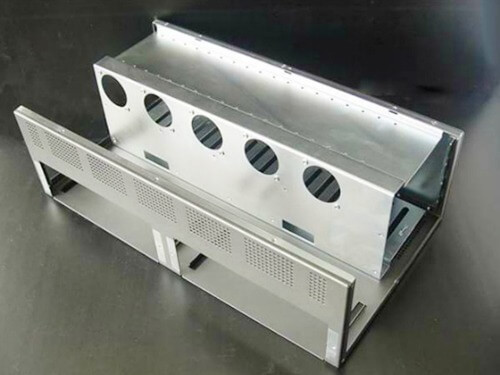
Do a Good Job of Blanking in Sheet Metal Processing
1. There are four main methods of blanking in sheet metal processing:
(1) Shearing Machine Blanking
A shearing machine is used to cut out external dimensions. Then, a mold is used for punching, cutting, and finishing the process.
(2) Laser Cutting
This method uses laser cutting to create the desired structure shape.
(3) Punching Machine Blanking
A punching machine is used to punch and shape flat structures. This can be done in one step or step by step.
(4) NC Blanking
This is the most commonly used method. It relies on numerical control programming to perform blanking and complete the structural shape.
2. Qualifications for Sheet Metal Processing Personnel
The required qualifications depend on the job level:
(1) Junior Sheet Metal Operator
Must understand drawings and perform simple equipment operations. Deep technical knowledge is not required.
(2) Junior Sheet Metal Operator
Must understand more complex drawings and have basic knowledge of physics.
Different roles have different requirements based on their responsibilities.
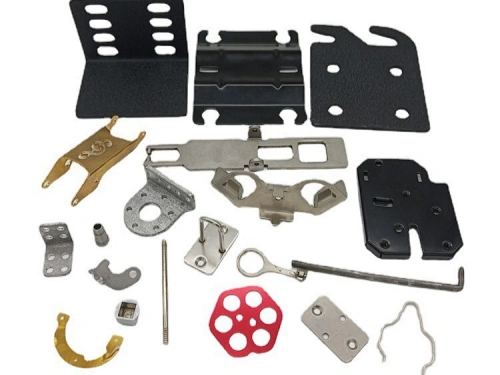
Do a Good Job in Cutting Sheet Metal Processing
During sheet metal processing, some issues may occur. One common issue is laser cutting problems. To better understand them, let’s take a brief look:
1. Deformation
The main cause is using pulse perforation instead of explosive perforation when machining small holes. This affects the processing quality.
2. Glitch
Several factors may cause glitches. These include incorrect laser focus position, insufficient output power, improper cutting speed, or low gas purity. Each factor must be analyzed carefully.
3. Incomplete Cutting
This happens when the laser cutting speed is too fast. It can also occur if the laser head nozzle does not match the thickness of the processing plate. As a result, the processing quality is affected.
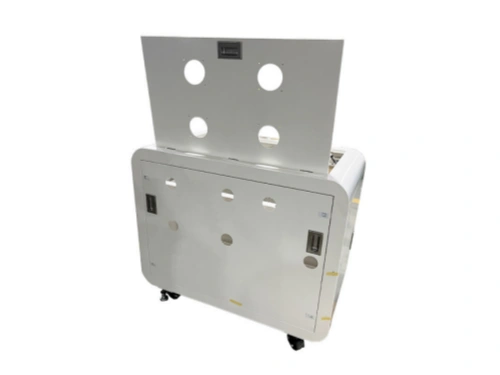
Do a Good Job in the Sheet Metal Processing Center
To bend sheet metal, choose the right tools and sipes based on the drawing scale and material thickness. This prevents the product from colliding with the tool and causing deformation.
1. The bending order is also crucial. Generally, the sequence follows these rules:
- Bend the inside first, then the outside.
- Bend small parts first, then large ones.
- Special shapes should be bent first.
If a workpiece needs flattening, use a leveling die.
For pressure riveting, consider the stud height and press pressure. The studs must be flush with the workpiece surface. Otherwise, the workpiece may become unusable.
2. Welding in Sheet Metal Processing
Common welding methods include:
- Hydrogen arc welding
- Spot welding
- Technical arc welding
- Carbon dioxide maintenance welding
When spot welding, the welding position must be carefully planned.
3. Surface Processing in Sheet Metal Work
The processing method depends on the material:
- Cold Plate Processing: Usually includes plating, phosphating, and then spraying.
- Spraying: Can be done manually or automatically.
4. Final Inspection
After sheet metal processing, check the appearance and dimensions. If there are defects, repair or discard the part to ensure quality.
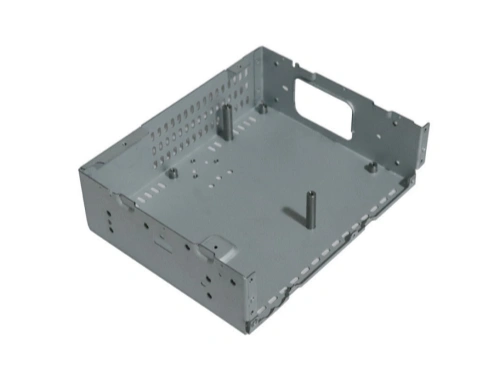
Improve the Sheet Metal Processing Master’s Technical Level
Sheet metal processing requires strict technical standards.
1. Surface Preparation
- The part’s surface must be free of oxide scale.
- Check for defects or damage before machining.
2. Heat Treatment
- If high-frequency quenching is required, the tempering temperature must be within the specified range.
- High-temperature aging treatment is necessary.
3. Dimensional Accuracy
- If there are no specific shape tolerances, follow the standards in GB1184-80.
- The allowable length error should be within ±0.5mm.
4. Gear Installation
- After installation, the tooth surface backlash must meet the standards in GB10095 and GB11365.
5. Pre-Installation Inspection
- Perform necessary inspections and cleaning before assembly.
- Ensure no foreign objects are introduced.
- Check the fit clearance carefully.