Aluminum alloy material is a very common prototype production, it has good strength and light weight; surface treatment such as sandblasting is very convenient; wire oxidation; powder spraying; baking paint and other surface treatments can make the prototype model look more beautiful! Today we talk about the common process of drawing oxidation! This process is more used on aluminum alloy prototypes, which can add color to the prototype. How much do you know about the surface stretching process of aluminum alloy prototype models?
According to product requirements, aluminum alloy prototypes can be wire-drawn into rough, straight, random, corrugated, line and spiral patterns.
The irregular drawing is an irregular and non-striped matt filament, which is obtained by moving the left and right sides of the prototype left and right to scrub the aluminum alloy prototype at high speed. This treatment places higher demands on the surface of the aluminum or aluminum alloy prototype.
Straight-line drawing refers to machining straight lines on the surface of aluminum alloy specimens through mechanical friction. It has the dual functions of brushing the surface of the aluminum plate and decorating the surface of the aluminum plate. Corrugations are usually made in a brush or peeler. The corrugated pattern is obtained by brushing on the surface of an aluminum or aluminum alloy plate by using the axial movement of the upper roller.
Wire drawing is a repair process and can also play a beautiful role, because there are scratches on the metal surface, so the wire drawing machine will produce consistent scratches as a whole (to reduce the thickness of the wall), partially covering the scratches, but Scratches are difficult to avoid, so use them often. Brushing can not only clean the surface scratches of the aluminum plate, but also beautify the surface of the decorative aluminum plate.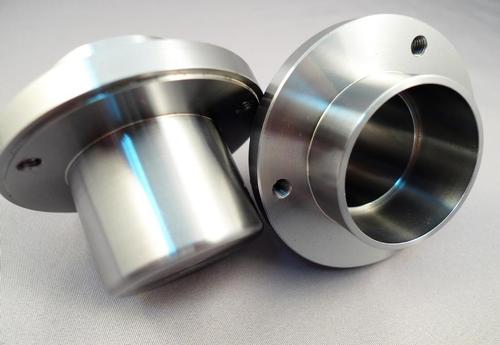
After drawing the wire, we need to make a layer of oxidation on the surface of aluminum! It can prevent the aluminum alloy from discoloring in contact with the air, and can enhance the beauty of various colors!