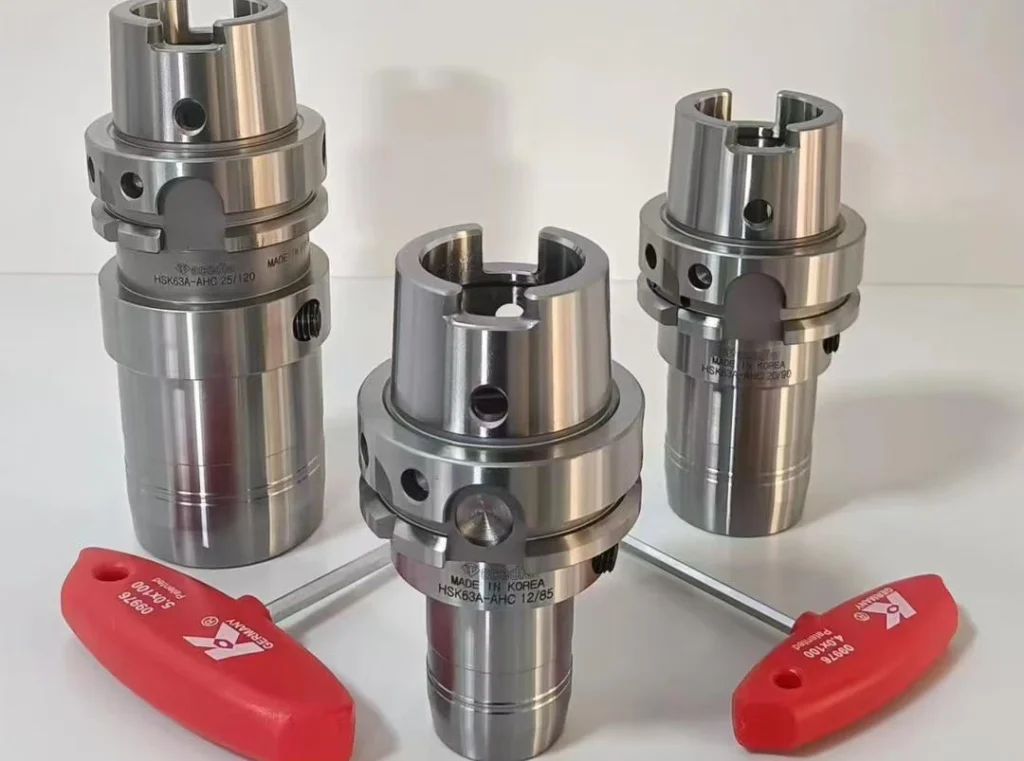
CNC Machining for Vehicles: Precision and Efficiency
With the rise of industrial automation and intelligent manufacturing, CNC machining has become key to improving automation, quality, and efficiency in mechanical production.
With the rise of industrial automation and intelligent manufacturing, CNC machining has become key to improving automation, quality, and efficiency in mechanical production.

This section presents advanced five-axis toolpath planning and programming techniques for machining complex pump body components using UG software.

With rapid advances in aerospace, automotive, and medical manufacturing, demand for complex precision machining is rising.

With the rapid development of the automotive industry, consumers’ demands for the aesthetic quality and service life of vehicle exteriors continue to rise.
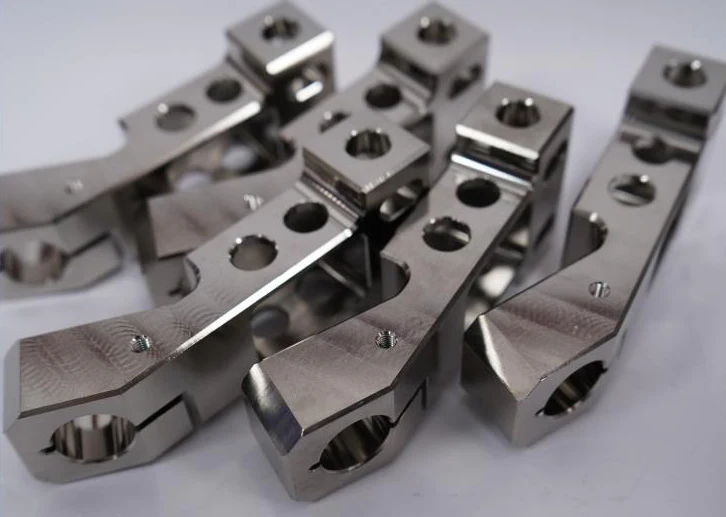
Titanium alloys are lightweight, strong, and weldable materials with low density, low thermal conductivity, and non-toxic, non-magnetic properties.
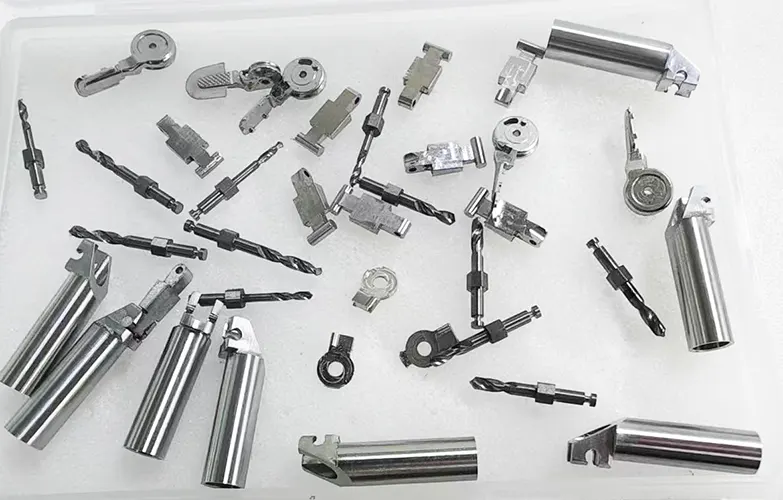
Growing demands in aerospace, energy, sensors, transport, and bioengineering require high-performance, durable components. Creating microstructures, such as pits, grooves, pores, dots, and striations, can enhance the surface performance, durability, and functionality of critical components.

Traditional machinery manufacturing relies on manual expertise and fixed processes, which hinder its ability to adapt to dynamic markets and complex environments.
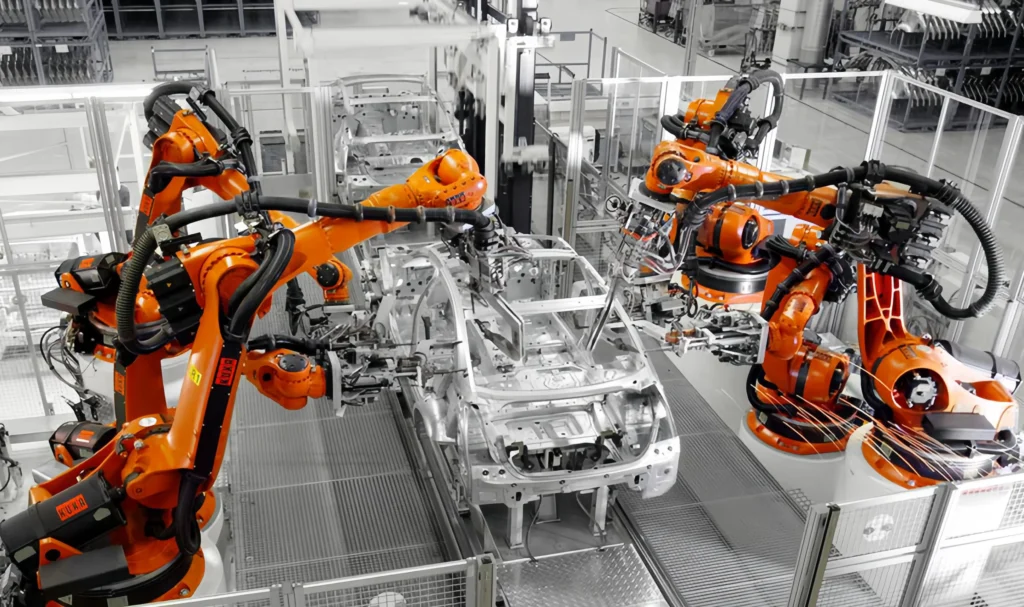
Automotive machining has evolved from manual to intelligent, automated processes. Early machining relied on manual labor and rudimentary machine tools, resulting in low efficiency and limited precision.