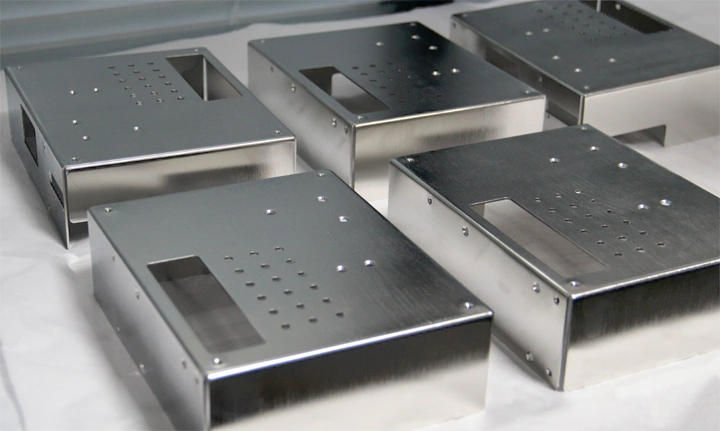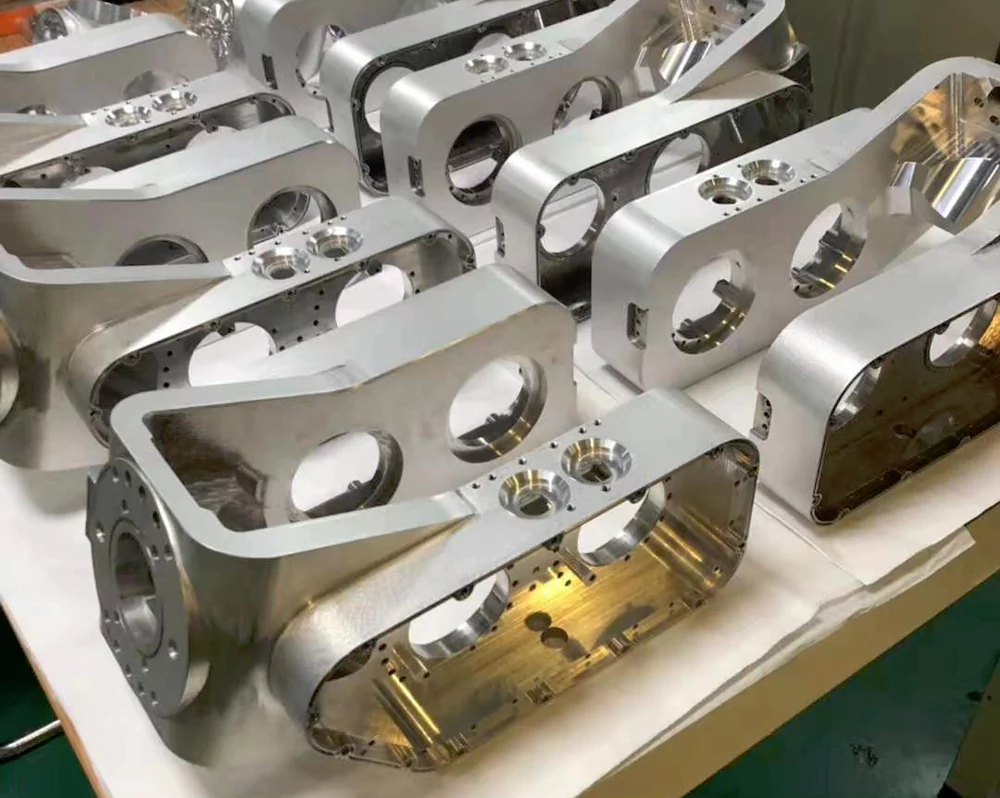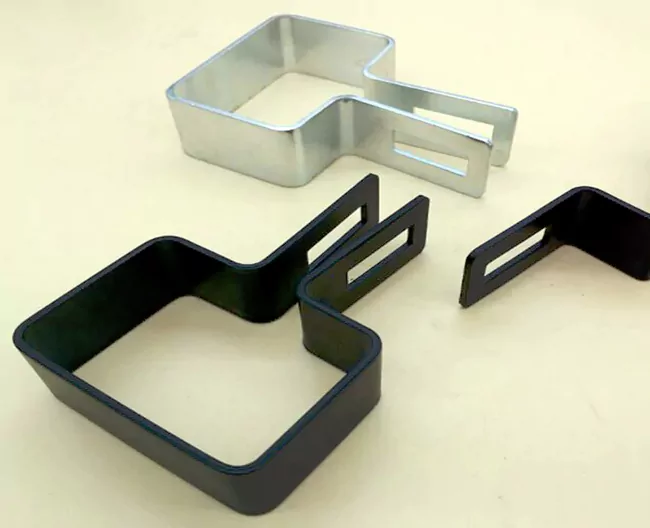
Sheet metal fabrication includes processes to create simple to complex shapes, from prototypes to high-volume production. With CNC machining or surface finishing processes, just like powder coating, it’s a versatile option for any industry. Whether you choose progressive stamping, deep drawing, or laser cutting, sheet metal fabrication offers numerous advantages.
Sheet metal parts offer a variety of advantages that make them a popular choice for various industries. Here are the key advantages of sheet metal fabrication that make it ideal for many product applications:
Advantages of Sheet Metal Processing
1 .High Strength and Durability
One of the biggest advantages of sheet metal fabrication is the high strength and durability of its products. Sheet metal processing usually uses materials such as steel, stainless steel, aluminum alloys, copper, etc. These metal materials inherently have strong mechanical properties and are particularly good at resisting tensile, compressive, and bending forces. Sheet metal products typically maintain excellent structural stability and durability due to the material’s strength remaining largely unaffected during processing.
Application Examples:
Aerospac e: The fuselage and components of an aircraft endure high pressures and external forces, and sheet metal processing ensures their strength and durability for safe flight.
Automobile Manufacturi ng: Sheet metal working is used in automobile body production to maintain structural integrity during collisions and protect occupant safety.
2. Accuracy and High Precision
Modern sheet metal processing technology, using CNC equipment, laser cutting, and plasma cutting, achieves micron-level accuracy, meeting strict size and shape requirements, ensuring part dimensional and assembly accuracy, reducing production errors, and improving product stability.
Sheet metal processing involves various methods, such as stamping, bending, and cutting, each achieving micron-level precision to ensure excellent final product quality.
Application examples:
Shells of electronic products: High-precision sheet metal processing ensures that the shells of electronic products, like cell phones and computers, meet appearance requirements and protect internal components.
Medical equipment: Sheet metal processing ensures precise coordination of medical equipment shells and components for proper operation.
3. Design Flexibility and Versatility
Sheet metalworking provides great design flexibility, especially when faced with complex and changing design requirements. CNC technology enables sheet metal working to process complex, customizable shapes. This makes sheet metal working suitable not only for simple geometries but also for complex geometries.
In addition, sheet metal processing is also multifunctional. It can perform not only cutting, bending, and stamping, but also laser cutting, welding, riveting, and more, offering customers creative and innovative solutions.
Application examples:
Customization of cabinets and housings: Sheet metal processing can create various cabinet housing shapes to meet both aesthetic and functional requirements, such as heat dissipation holes and reinforcing bands.
Automotive Structural Parts: Automotive sheet metal parts must be lightweight yet strong, with flexible designs to meet diverse performance needs.
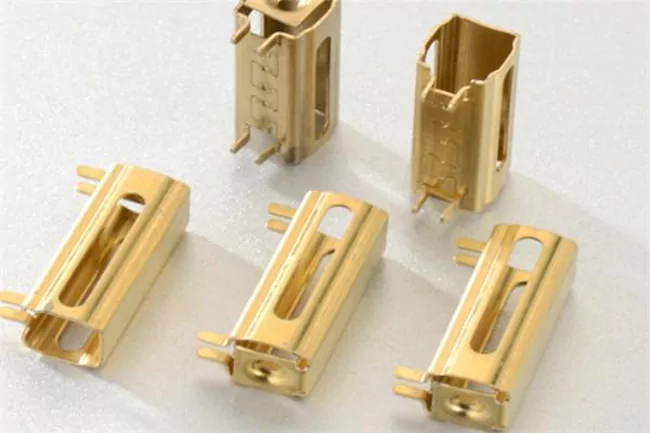
4. Efficient Production and Short Lead Time
Sheet metal processing has high production capacity and short lead times. Modern sheet metal processing uses advanced technologies like CNC, laser cutting, and automated stamping, enabling fast production from design to finished product and meeting market demand with short delivery times.
Application examples:
Home appliance industry: Home appliances like refrigerators and air conditioners require many sheet metal parts, and sheet metal processing can quickly produce batches to ensure timely market release.
Shell production for electronic products: Sheet metal processing can quickly produce high-precision electronic shells to meet rapid market iteration demands.
5. Sustainable Development and Environmental Protection
With increasing environmental awareness, sheet metal processing offers advantages in sustainability. Materials like stainless steel and aluminum alloy are highly recyclable, and waste can be reused, reducing material waste. Efficient equipment and technologies also lower energy consumption, minimizing environmental impact.
Application examples:
Green Building: Sheet metal processing produces durable, recyclable building materials like steel structures and roof panels, meeting green building standards.
Automotive industry: Aluminum alloy and high-strength steel in modern automobiles are lightweight, energy-saving, and easily recyclable.
6. Cost Effectiveness and Economy
Another significant advantage of sheet metal processing is its high cost-effectiveness, which makes it particularly suitable for mass production. Although sheet metal work requires high initial investment, its unit cost is low in mass production and decreases with more batches. This makes sheet metal working particularly suitable for projects that require rapid, mass production.
Application Examples:
Everyday consumer goods: Sheet metal processing for manufacturing shells of home appliances, office furniture, and other products reduces production costs and ensures quality stability.
Automobile parts production n: Automobile manufacturers use sheet metal processing for body parts, reducing costs and improving production efficiency and economic benefits through mass production.
7. Adaptation to a wide range of materials and processes
Sheet metal processing can handle various metals, including carbon steel, stainless steel, aluminum alloy, and copper. Even some special alloys and composite materials can be applied in sheet metal processing. Different materials require different processing techniques, and sheet metal processing can adjust parameters to ensure optimal results.
Sheet metal processing can select processes like laser cutting, stamping, bending, and welding to achieve precise manufacturing of complex components.
Application Examples:
Aerospace: Aerospace vehicle manufacturing requires high-strength alloys, and sheet metal processing ensures their precision and strength.
Electronic products: Sheet metal processing can handle various metals for products like phone casings and computer parts.
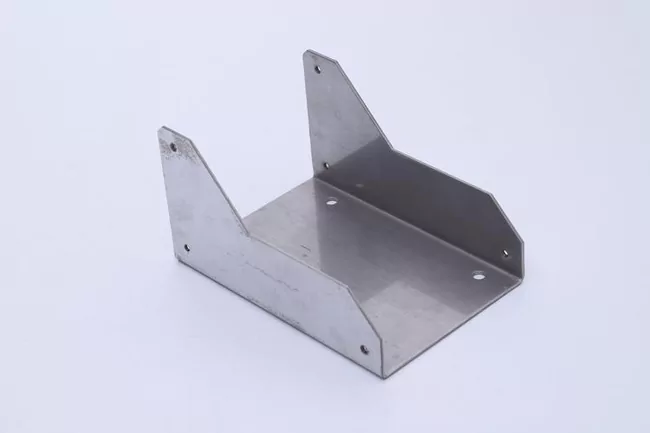
8. Highly productive production capacity
Sheet metal processing is not only suitable for small-lot customized production but also very suitable for high-volume, high-productivity production mode. Modern CNC technology and automated production lines enable sheet metal processing to produce large quantities of parts quickly for mass production.
Application examples:
Automobile industry: Automobile production requires thousands of sheet metal parts, and sheet metal processing technology ensures efficient production and quick manufacturing of large quantities.
Household appliance industry: High-capacity sheet metal processing can quickly meet market demand for appliance parts like outer shells and inner liners.
9. Customization and Innovation
Sheet metal processing enables personalized customization, making it a key tool for product innovation by providing tailored solution s T hitsflexibility not only meets the diverse needs of the market but also drives technological innovation and product design breakthroughs.
Application examples:
Customized cabinets and equipment housings: Sheet metal processing offers highly customized solutions for cabinets and equipment housings with specific dimensions, shapes, and functions.
Special industry applications: Customized enclosures and sheet metal processing can be designed and produced to meet the functional requirements of medical devices.
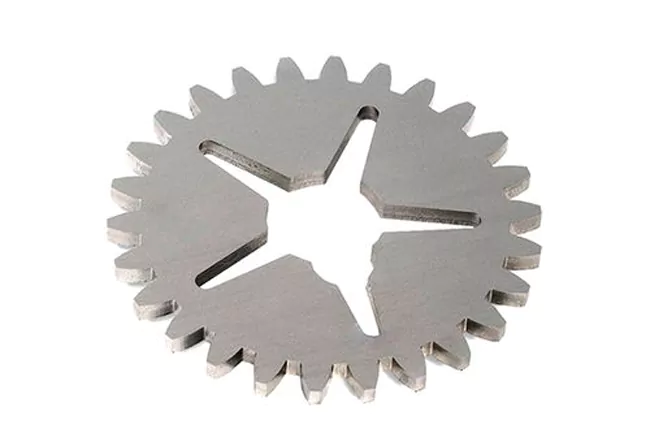
10 .Easy maintenance and replacement
Sheet metal processing products are usually well-maintained and replaceable. Due to the standardization of sheet metal working parts, replacement and repair of parts are usually very convenient. Sheet metal products maintain stable performance and low maintenance costs, extending equipment life.
Application examples:
Home appliances: The shells and internal structures of home appliances often require regular maintenance and replacement. Sheet metal processing makes maintenance work more convenient and ensures the long-term use of the products.
Industrial equipment: Sheet metal processing parts can be replaced and repaired more easily, reducing the cost of equipment maintenance.
Sheet Metal Processing at Ruiyi
Fast and efficient sheet metal processing is crucial in today’s manufacturing, where metal parts are foundational. Companies are focusing on recyclable materials, and with advanced technology and expertise, mass production is achievable.
For projects with precise designs and calculations, the next step is to choose a reliable sheet metal fabricator for accurate, efficient production.
Ruiyi’s on-demand platform offers one-stop sheet metal fabrication services, ensuring the best solution for your needs.